EMAIL:
wr@insulatedpipeline.com


Published:2025-08-14 | Last Updated: 2025-08-30 Views: 156

(1) Working pipe
Located in the inner layer.
Used for conveying media such as steam, hot water, and hot oil.
Common materials include seamless steel pipes, spiral welded steel pipes, and straight seam steel pipes.
High pressure resistance and excellent high-temperature performance.
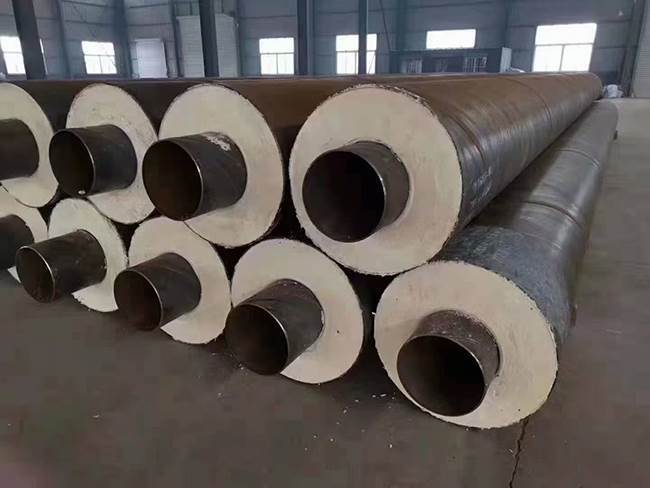
(2) Insulation layer
Located between the working pipe and the outer pipe.
Common materials include composite silica, rock wool, and polyurethane foam.
Low thermal conductivity, providing significant insulation performance.
Thickness can be adjusted according to design requirements.
(3) Outer Steel Pipe
Located on the outer layer.
Provides protective functions, preventing damage from groundwater, soil pressure, and mechanical impact.
Common materials include SSAW steel pipes or LSAW steel pipes with corrosion protection treatment applied to the outer surface.
.jpg "Steel Jacketed Preinsulated Pipe")
(1) Urban District Heating Projects
Steel-clad insulated pipes are widely used for long-distance transportation of hot water and steam. Underground installation not only effectively minimizes heat loss but also ensures safe and stable transportation.
(2) Industrial Park Heating Networks
In industrial sectors requiring continuous heat sources—such as chemical plants and paper mills—double-walled steel-jacketed buried insulated pipes deliver superior high-temperature and moisture resistance, meeting long-term operational demands in complex environments.
(3) Power Plant Pipeline Systems
Steam transportation from boilers to workshops demands exceptionally high insulation performance Double-wall insulated steel pipe deliver outstanding thermal insulation, significantly reducing energy consumption and enhancing overall energy efficiency.
(4) Other Application Areas
Beyond the scenarios above, steel-jacketed insulated pipes are also suitable for specialized pipeline projects requiring high corrosion resistance, waterproofing, and thermal insulation, demonstrating extensive applicability.
(1)Excellent Thermal Insulation
With low thermal conductivity pre insulated pipes effectively minimize heat loss. Energy dissipation during transportation is negligible, achieving high energy efficiency.
(2)High Durability
The robust outer steel pipe structure withstands significant external pressure. Additionally, corrosion-resistant treatment substantially extends the pipeline's service life.
(3)Wide Adaptability
These heating steam pipe operate stably in both high-temperature and low-temperature environments. Suitable for both underground and overhead installations, they offer flexible application scenarios.
(4)Low Maintenance Costs
The robust integrated structure requires minimal additional maintenance during operation, substantially reducing long-term operational and maintenance expenses.
(1) Specifications and Dimensions
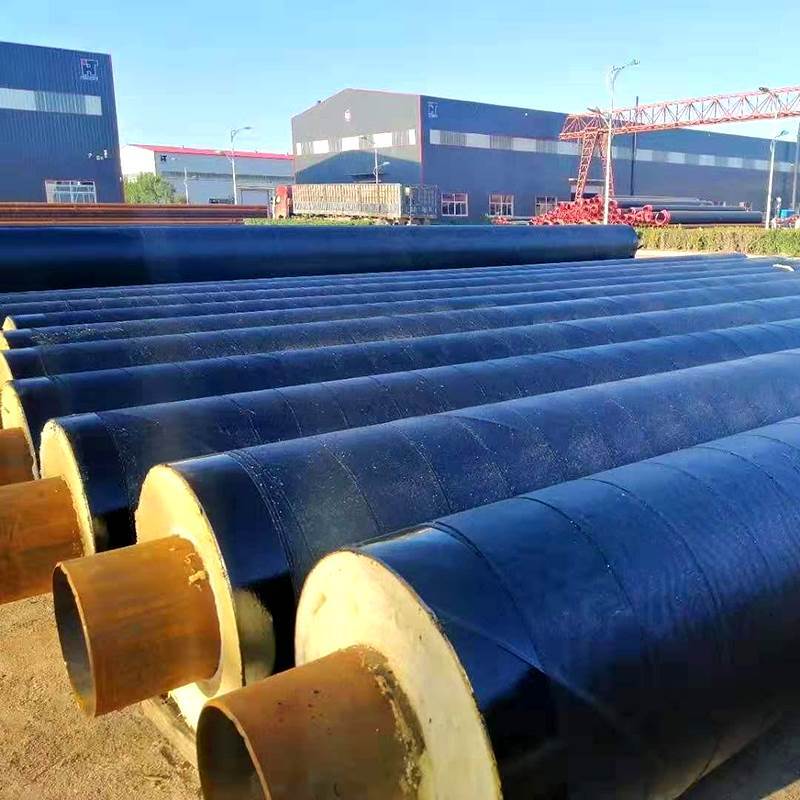
Determine nominal diameter, working pipe wall thickness, insulation layer thickness, and outer pipe specifications based on design drawings.
Refer to the general specification table and select models according to requirements. For high-pressure transmission, choose seamless carbon steel pipes to ensure safety.
(2) Material Selection
The working pipe material must meet the requirements of the medium and pressure.
Polyurethane insulated steel pipes are suitable for normal-temperature hot water; silicone or rock wool is recommended for high-temperature steam.
(3) Anti-Corrosion Requirements
The anti-corrosion coating of the outer protective pipe must be suitable for underground environments.
Common processes include 3PE, IPN8710, and epoxy coal tar asphalt Steel-in-steel insulated steel pipes feature a robust structure and excellent anti-corrosion performance.
(4) Production Qualifications and Testing
Select manufacturers with valid certifications.
Ensure products pass pressure testing and thermal insulation performance testing.
(5) Transportation and Storage
Protect the anti-corrosion coating during transport.
Store in a dry, level location, shielded from direct sunlight and rain.
| Step | Main Content | Key Points |
|---|---|---|
| (1) Pre-installation preparation | Verify that the pipe specifications match the drawings; common materials include ASTM A106 Seamless Carbon Steel Pipe. | Inspect pipe appearance and coating integrity; the construction site must be clean and the foundation level. |
| (2) Pipe connection | Use conventional welding to join the service pipe, e.g., ASTM A671 Steel Welded Pipe. | Remove rust from joints before welding; welds must meet strength and sealing requirements. |
| (3) Insulation layer and outer casing connection | Ensure the service pipe is concentric with the outer protective casing. | Install fixed support rings at joints to prevent displacement. |
| (4) Joint sealing and coating repair | Seal joints with heat-shrink sleeves or heat-shrinkable tape. | Repair coating so that it bonds seamlessly with the existing layer. |
| (5) Pressure test and acceptance | After installation, conduct hydrostatic or pneumatic testing. | Inspect welds, joints, and coating integrity; the system must pass acceptance before use. |
(1) Regular Inspections
Check pipe joints for signs of ground settlement or water seepage.
Inspect the integrity of the anti-corrosion coating to prevent premature damage that could compromise insulation performance.
(2) Prevent Mechanical Damage
Avoid stacking heavy objects or conducting excavation work above pre-insulated steel-jacketed pipes.
Protect pipe surfaces during construction or handling to prevent scratches or impacts.
(3) Promptly Repair Damaged Areas
Immediately repair any damage to the anti-corrosion coating to ensure long-term protection.
Prevent moisture ingress into the insulation layer to maintain thermal performance.
 WeChat
 Scan wechat
WhatsApp:+86 15383177997
E-mail:wr@insulatedpipeline.com
E-mail:
Address:Development Zone, Cangzhou, Hebei Province, China
技术支持:沧州利畅网络
.jpg)
.jpg)