EMAIL:
wr@insulatedpipeline.com


Published:2026-04-22 | Last Updated: 2026-04-24 Views: 58
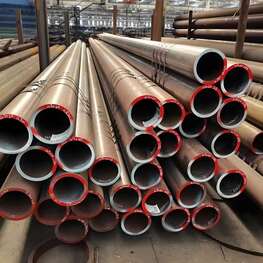
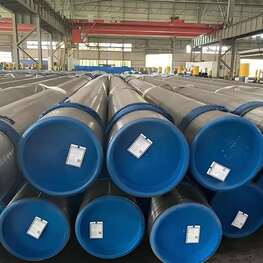
TPEP coated spiral steel pipe is a three-layer polyethylene inner fusion bonded epoxy composite steel pipe.
Simply put, it is a high-end composite pipe with "internal and external repair": the outer wall uses 3PE anti-corrosion technology, and the inner wall uses hot-melt bonded epoxy resin (EP) powder. It is one of the most advanced anti-corrosion solutions currently used in long-distance water transmission, water conservancy projects, and municipal pipe networks.
Structural Breakdown (Layered Protection):
1. Outer Wall (3PE Structure):
First Layer: Bottom layer is fusion-bonded epoxy powder (FBE).
Second Layer: Middle layer is adhesive (AD).
Third Layer: Outer layer is high-density polyethylene (HDPE).
Function: Extremely high mechanical strength, impact resistance, and resistance to soil stress.
2. Inner Wall (Fuse-bonded Epoxy):
Uses a single-layer thermofused epoxy powder coating.
Function: The coating is very smooth (low coefficient of friction), does not scale, and fully meets drinking water hygiene standards.
3. Base Pipe:
Typically uses spiral submerged arc welded steel pipe (SSAW).
.jpg "TPEP Coated Spiral Steel Pipe")
Medium-Frequency Preheating: Before entering the production line, the steel pipe is preheated using a medium-frequency induction heater to remove surface moisture.
Shot Blasting: A shot blasting machine is used to achieve a surface cleanliness level of Sa2.5 and create a certain anchor pattern depth (increasing the contact area).
Secondary Heating: The rust-removed steel pipe is heated to between 200°C and 230°C. This is the critical temperature required for epoxy powder curing.
Suction or Spraying: As the steel pipe rotates into the coating area, epoxy powder is evenly sprayed onto the inner wall of the pipe using electrostatic spraying or suction coating processes.
Fusion Bonding Process: Upon contact with the high-temperature pipe wall, the powder rapidly melts and flows, then solidifies into a tough, dense coating through a chemical cross-linking reaction.
A three-layer composite structure is applied simultaneously to the external wall:
Base Layer (Underlying Epoxy): Epoxy powder is sprayed on.
Middle Layer (Adhesive): Before the powder cures, a copolymer adhesive is wound or extruded.
Outer Layer (Polyethylene): Molten polyethylene (PE) is wound onto the pipe using an extruder.
Composite Rolling: The pressure of silicone rollers tightly bonds these three layers to the steel pipe as a single unit.
Water Cooling: After coating, the steel pipe enters the cooling section, where it is typically cooled rapidly by water spraying or immersion to harden and set the PE outer layer.
Pipe End Grinding: According to standard requirements (e.g., leaving 10-15cm), the anti-corrosion layer on the pipe ends is removed to facilitate subsequent on-site welding, and rust-proof and anti-corrosion wax is applied.
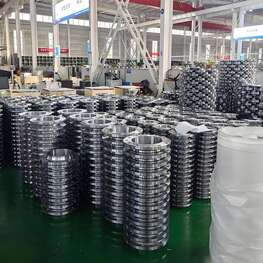
.jpg "TPEP Coated Spiral Steel Pipe Manufacturer")
Long-distance Water Diversion: Due to the fusion-bonded epoxy coating on the inner wall of TPEP, the friction resistance coefficient is extremely low (typically n ≤ 0.009), significantly reducing energy consumption during water transmission.
Drinking Water Main Networks: The coating meets food-grade hygiene standards and does not leach harmful substances, making it the preferred pipe material for solving urban "secondary pollution."
Inter-regional Water Transfer: For example, in branch projects of the South-to-North Water Diversion Project, TPEP steel pipes are often used on a large scale to ensure a 50-year service life for the pipelines.
Pressure Drainage: The spiral steel pipe substrate provides excellent pressure resistance, making it suitable for municipal pressure drainage systems.
Sewage Collection: The epoxy coating on the inner wall of the TPEP pipe has excellent chemical corrosion resistance, resisting the erosion of acidic and alkaline substances such as H₂S (hydrogen sulfide) in sewage.
High-Rise Building Fire Protection: Compared to ordinary galvanized pipes, TPEP steel pipes will not scale or corrode under long-term underground burial or humid environments, ensuring that the fire protection system can instantly provide the rated flow in emergencies without clogging sprinkler heads.
Power Plants and Chemical Plants: Used for transporting industrial circulating cooling water; its wear-resistant and corrosion-resistant properties reduce the frequency of pipeline maintenance.
Seawater Transportation: The specially formulated TPEP coating effectively resists salt spray corrosion from seawater.
Mine Water Supply and Drainage: Adaptable to the complex acidic water environment underground.
Oilfield Water Injection Pipelines: Utilizing its high pressure resistance and internal corrosion resistance, it extends the pipeline replacement cycle.
| Comparison Item | 3PE Coated Steel Pipe | TPEP Coated Steel Pipe |
|---|---|---|
| Full Name | Three-Layer Polyethylene Coated Steel Pipe | Three-Layer Polyethylene External + Internal FBE Coated Steel Pipe |
| Corrosion Protection Structure | External coating only: epoxy powder primer + adhesive layer + polyethylene outer layer | Double-layer protection: external 3PE coating + internal fusion bonded epoxy (FBE) coating |
| Internal Surface Treatment | Usually bare pipe, anti-rust painting, or cement mortar lining | Internal fusion bonded epoxy powder coating (food-grade) |
| Flow Resistance | Higher (e.g., cement lining, n ≈ 0.013) | Very low (n ≤ 0.009), smooth surface with no scaling |
| Hygienic Standard | Depends on internal lining material | High standard, suitable for potable water transmission |
| Mechanical Strength | Excellent impact resistance and durability | Excellent, with strong bonding between coating and steel pipe |
| Service Life | Approximately 30–50 years in buried conditions | Over 50 years in buried conditions (enhanced dual protection) |
| Overall Cost | Lower, suitable for general industrial and drainage applications | Higher initial cost, but lower maintenance cost in long-term operation |
| Main Applications | Oil and gas transmission, municipal drainage | Water supply projects, urban potable water networks, fire protection systems |
The following are the basic specifications of TPEP steel pipes, suitable for engineers to refer to during initial selection:
| Parameter | Specification / Range | Remarks |
|---|---|---|
| Outer Diameter (OD) | 219 mm – 3000 mm | Covers common sizes from DN200 to DN3000 |
| Wall Thickness (WT) | 6 mm – 30 mm | Customizable based on pressure requirements |
| Length per Pipe | 6 m – 12 m | Fixed-length production available for easy installation |
| Internal Roughness (n) | ≤ 0.009 | Very low head loss, high-efficiency fluid transmission |
| Applicable Pressure | 1.6 MPa – 10 MPa | Depends on steel grade and wall thickness |
| Service Life | ≥ 50 years | Long-term corrosion protection in buried conditions |
The corrosion resistance of TPEP depends on the uniformity and thickness of the coating. We strictly adhere to the following standards:
Inner Wall: Fusion-bonded Epoxy Coating (EP)
Thickness: ≥ 300 μm (typically between 350 μm – 500 μm).
Characteristics: Food-grade hygiene standards, smooth mirror-like surface, anti-scaling, and wear-resistant.
Outer Wall: 3PE Composite Structure
Base Layer (FBE): ≥ 80 μm (epoxy powder, providing adhesion).
Intermediate Layer (AD): 170 μm – 250 μm (copolymer adhesive, anti-peel).
Outer Layer (PE): 2.0 mm – 4.0 mm (high-density polyethylene, resistant to mechanical damage).
| Steel Grade (API 5L) | Material Type | Tensile Strength | Yield Strength | Typical Applications |
|---|---|---|---|---|
| Gr.B | Carbon Steel | ≥ 415 MPa | ≥ 245 MPa | Municipal water supply and drainage |
| X42 | Low Alloy Steel | ≥ 415 MPa | ≥ 290 MPa | Medium and low-pressure water pipelines |
| X46 | Low Alloy Steel | ≥ 435 MPa | ≥ 320 MPa | Urban pipeline networks |
| X52 | Medium Strength Steel | ≥ 460 MPa | ≥ 360 MPa | Oil and gas transmission, long-distance pipelines |
| X60 | High Strength Steel | ≥ 520 MPa | ≥ 415 MPa | High-pressure oil and gas pipelines |
| X65 | High Strength Steel | ≥ 535 MPa | ≥ 450 MPa | High-pressure long-distance pipelines |
| X70 | High Strength Steel | ≥ 570 MPa | ≥ 485 MPa | Ultra-high pressure transmission systems |
| Category | Standard Name | Standard No. | Application |
|---|---|---|---|
| Base Pipe Standard | Line Pipe for Oil and Gas Industries | API 5L | Long-distance oil and gas transmission pipelines |
| Coating Standard | External Coatings for Buried Pipelines | ISO 21809-2 | Corrosion protection for buried oil and gas pipelines |
| Coating Standard | Fusion-Bonded Epoxy Coatings | AWWA C213 | Potable water and water supply systems |
| Coating System Standard | External Organic Coatings for Steel Pipelines | CAN/CSA Z245.20 | Pipeline engineering in North America |
| Corrosion Protection Design | Paints and Varnishes — Corrosion Protection | ISO 12944 | Industrial corrosion protection system design |
| Pipeline Engineering Standard | Petroleum and Natural Gas Industries — Pipeline Transportation Systems | ASME B31.4 / B31.8 | Design and construction of oil and gas pipelines |
| Inspection Item | Test Name | Purpose | Test Method |
|---|---|---|---|
| Coating Integrity | Holiday Test | Detect pinholes or defects in the coating | High-voltage spark scanning over the coating surface |
| Coating Adhesion | Pull-off Test | Measure bonding strength between coating and steel pipe | Tensile pull-off test to determine adhesion strength |
| Pressure Resistance | Hydrostatic Test | Verify pressure capacity and sealing performance of the pipe | Water filling, pressurization, and holding pressure test |
| Mechanical Performance | Impact Test | Evaluate impact resistance of the coating | Drop weight or impact testing |
TPEP coated spiral steel pipes are mainly used in long-distance pipeline systems, including projects involving oil, natural gas, municipal water supply, and industrial circulating water.
Due to their double-layered anti-corrosion structure, they are particularly suitable for pipeline projects in buried, humid, and highly corrosive environments.
The main difference lies in their anti-corrosion structure:
3PE steel pipes: Only have an outer anti-corrosion layer (3-layer structure)
TPEP steel pipes: Provide both internal and external anti-corrosion protection (inner epoxy + outer 3PE)
Simply put:
TPEP = "internal anti-corrosion + external anti-corrosion", offering stronger overall protection and making it particularly suitable for transporting drinking water and highly corrosive media.
Under normal design, construction, and usage conditions, the service life of TPEP steel pipes can generally reach:
30–50 years
The main factors affecting service life include:
Soil corrosivity
Type of transported medium
Coating thickness
Construction quality
Yes, they can.
The inner wall of TPEP pipes uses a food-grade epoxy powder anti-corrosion system, which has the following advantages:
Corrosion resistance
Scale prevention
Does not affect water quality
Therefore, it is widely used in municipal water supply and long-distance drinking water transmission projects.
Common steel grades include:
API 5L Gr.B (Economy projects)
API 5L X42 / X52 (Regular transportation)
API 5L X60 / X65 (High-pressure projects)
Steel grade selection depends on:
Transportation pressure
Pipe length
Engineering design requirements
Yes.
As a manufacturer, TPEP steel pipes typically support:
Factory direct quotes
Customized pricing based on projects
Bulk purchase discounts
Prices are usually related to:
Steel prices
Coating thickness
Dimensions and specifications
Yes, it can be customized according to project requirements.
Common influencing factors:
Buried depth
Soil corrosion level
Design life requirements
General situation:
Inner wall epoxy coating: Approximately 150–500μm
Outer wall 3PE structure: Designed according to project level
Common international and industry standards include:
API 5L (Standard for Steel Pipes)
ISO 21809 (Standard for Corrosion Protection of Oil and Gas Pipelines)
AWWA C213 (Standard for Epoxy Corrosion Protection of Water Supply)
ISO 12944 (Reference for Design of Corrosion Protection Systems)
Different projects will select different combinations of standards depending on their intended use.
 WeChat
 Scan wechat
WhatsApp:+86 15383177997
E-mail:wr@insulatedpipeline.com
E-mail:
Address:Development Zone, Cangzhou, Hebei Province, China
技术支持:沧州利畅网络