EMAIL:
wr@insulatedpipeline.com


Published:2025-09-29 | Last Updated: 2025-09-29 Views: 150
.jpg)
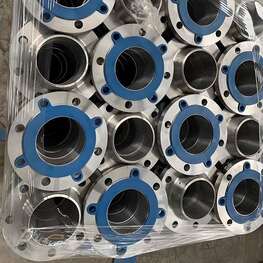
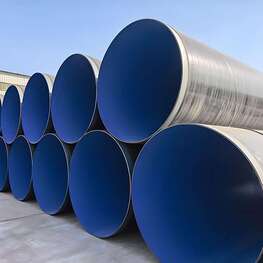
Plastic-coated steel pipe for fire protections are corrosion-resistant conduits featuring high-performance plastic coatings (such as epoxy powder, polyethylene PE, or polyurethane PU) applied to carbon steel or seamless steel pipe surfaces. They are specifically designed for fire protection water supply systems and fire suppression networks.
Through internal and external coating protection, these pipes exhibit outstanding corrosion resistance, abrasion resistance, and long-term operational stability. They effectively prevent corrosion and scaling on both inner and outer surfaces caused by water quality, moisture, or environmental factors.
| Parameter Category | Common Range | Description |
|---|---|---|
| Nominal Diameter DN | DN50 – DN1200 | Indoor lines usually DN50–DN300; outdoor large bore up to DN1200 |
| Outside Diameter OD | 60 mm – 1220 mm | Matches nominal diameter; exact values per applicable standard |
| Wall Thickness WT | 2.5 mm – 20 mm | Commonly 3–12 mm; thicker walls for higher pressure duties |
| Material | Q235, Q345, ASTM A53, ASTM A106 | Carbon steel as standard; low-alloy steel for special projects |
| Coating Type | PE, FBE (fusion-bonded epoxy), epoxy powder | PE or epoxy powder for indoor service; FBE for buried or high-corrosion areas |
| Coating Thickness | Lining 150–250 μm External 250–350 μm | Internal layer for corrosion prevention; external layer for waterproofing, mechanical & fire protection |
| Length | 6 m, 12 m or custom | Standard lengths ease transport and site handling; tailor-made lengths available |
| Working Pressure | 1.0 MPa – 2.5 MPa | Select rating to match fire-water system or process pressure |
.jpg)
Fire-rated plastic-coated steel pipes typically refer to steel pipes treated with internal and external plastic coating. Their structure consists of three primary layers:
(1) Steel pipe base material (matrix)
Material: Carbon steel (e.g., Q235, Q345), low-alloy steel, or ASTM standard steel pipes
Function: Withstands system operating pressure, provides pipeline strength and mechanical support
Characteristics: Wall thickness determines pressure-bearing capacity; high strength and rigidity.
(2) Inner Plastic Coating (Liner)
Common Materials: Polyethylene (PE), Fusion-bonded Epoxy (FBE), Epoxy Powder
Function: Corrosion and rust prevention, reduced hydraulic resistance, prevents direct contact between medium and steel pipe
Thickness: Typically 150–250 μm (adjustable per project requirements)
Characteristics: Excellent water resistance; smooth surface minimizes fluid friction and sedimentation.
(3) Outer Plastic Coating (Outer Liner)
Common Materials: Polyethylene (PE), Epoxy Powder, Three-Layer Composite Anti-Corrosion Coating (3PE)
Function: Protects the pipe body from environmental corrosion (buried applications, waterproofing, salt spray resistance)
Thickness: Typically 250–350 μm (up to 500 μm for outdoor or buried applications)
Characteristics: UV resistance, mechanical impact resistance, strong moisture resistance.
(1) Domestic Standards (China)
| Standard No. | Standard Title | Scope / Application |
|---|---|---|
| GB/T 18742 | Plastic-coated steel pipes | Specifies technical requirements, dimensions and test methods for plastic-coated steel pipes |
| GB/T 13898 | Spiral submerged-arc welded steel pipes | Covers welded pipes for external or internal/external plastic coating |
| GB/T 3091 | Welded steel pipes for low-pressure fluid service | Referenced for plastic-coated pipes used in low-pressure water lines |
| CJ/T 188 | Plastic-coated steel pipes for municipal water supply | Construction and inspection requirements for urban potable-water and fire-water pipelines |
| CJ/T 211 | Plastic-coated steel pipes for fire-fighting water supply | Performance and installation code for plastic-coated pipes in fire-protection systems |
(2)International Standard
| Standard No. | Standard Title | Scope / Application |
|---|---|---|
| ASTM A53 / A106 | Carbon Steel Pipe | Carbon-steel mother pipe suitable for manufacturing plastic-coated pipes |
| ASTM FBE | Fusion-Bonded Epoxy Coating | Standard for FBE anti-corrosion coating on steel pipes |
| ISO 4435 | Polyethylene-coated steel pipe | Dimensions, coatings and test methods for PE-coated steel pipes |
| EN 10255 | Steel pipes for fire protection | European standard for fire-fighting steel pipes; reference material for coated-pipe selection |
(3) Primary Technical Requirements
a. Pipe Material: Carbon steel or low-alloy steel, meeting mechanical property requirements
b. Pipe Dimensions: Nominal diameter DN50–DN1200, wall thickness 2.5–20 mm
c. Coating Properties:
Inner lining PE/FBE thickness 150–250 μm
External coating PE/3PE thickness 250–350 μm
Adhesion, impact resistance, water resistance, and salt spray resistance meet standard testing requirements
d. Pressure Rating: Capable of withstanding 1.0–2.5 MPa operating pressure in fire water systems
e. Inspection Items: Appearance, dimensions, coating thickness, adhesion, pressure testing, impact testing, corrosion resistance.
.jpg)
(1) Material and Standards
Base Material Requirements: Select carbon steel or low-alloy steel conforming to standards such as GB/T 18742, GB/T 3091, or ASTM A53.
Mechanical Properties: Yield strength, tensile strength, and impact toughness must meet fire protection design requirements, particularly for high-rise buildings or outdoor pipelines.
Coating Standards: Internal lining and external plastic coatings must comply with FBE or ISO 4435 standards.
(2) Pipe Dimensions and Wall Thickness
Nominal Diameter: Select DN50–DN1200 based on pipeline network design to prevent mismatched diameters.
Wall Thickness: Select based on system pressure rating. Common thicknesses range from 3–12 mm; thicker walls are required for high-pressure pipelines.
Length and Jointing: Understand supplier standard lengths (6 m / 12 m / custom lengths) to facilitate transportation and installation.
(3) Coating Properties
Inner Lining Thickness: 150–250 μm to ensure corrosion resistance, rust prevention, and fluid smoothness.
Outer layer thickness: 250–350 μm (up to 500 μm for outdoor/buried applications), ensuring corrosion and weather resistance.
Adhesion and uniformity: Coatings must be even, free of bubbles, cracks, or peeling.
(4) Pressure Rating and Temperature Resistance
Working pressure: Pipes must withstand 1.0–2.5 MPa (per fire protection design requirements).
Temperature range: Typically 0–50°C for indoor piping; high-temperature FBE or thickened PE required for extreme heat or cold environments.
(5) Inspection and Warranty
Factory testing: Dimensions, wall thickness, coating thickness, adhesion, pressure testing, corrosion resistance testing.
Warranty and certification: Suppliers must provide ISO9001/ISO14001 certifications and product warranty documentation.
Batch Consistency: Prevent significant performance variations between pipe batches that could impact installation and system safety.
(6) Suppliers and Logistics
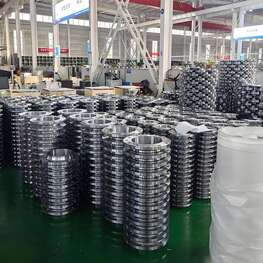
Production Capacity: Prioritize manufacturers with modern production lines and proven anti-corrosion processes.
Delivery Lead Time: Select appropriate delivery schedules based on construction plans to avoid project delays.
After-Sales Service: Verify whether manufacturers provide technical support, installation guidance, and quality tracking.
.jpg)
(1) Will the inner and outer coatings of fire-rated coated steel pipes peel off or crack during long-term use?
Answer:
Under normal operating conditions, the inner and outer coatings of fire-rated plastic-coated steel pipes exhibit high adhesion. Formed through professional surface treatment and high-temperature fusion processes, they create a uniform, continuous protective film that resists peeling or cracking.
However, localized coating damage may occur if pipes suffer severe mechanical impact, improper welding of fittings, or bumps during transportation/handling. Therefore, protective measures should be taken during construction and transport. Post-installation visual inspections are required, with localized repairs performed as needed.
(2) Can the anti-corrosion performance of the coating be guaranteed when pipes are used in high-temperature or cold environments?
Answer:
Common inner lining materials for fire-rated plastic-coated steel pipes (PE, FBE, epoxy powder) possess certain temperature resistance. PE linings typically operate within 0–50°C, while FBE linings withstand 80–200°C (depending on material grade).
In extreme conditions, high-temperature-resistant FBE or modified PE linings should be selected per design requirements to ensure stable corrosion resistance. In low-temperature environments, the coating exhibits good toughness and is less prone to cracking, but impacts during transportation and installation should still be prevented.
(3) For buried or outdoor fire protection pipelines, are the pipes susceptible to soil corrosion or mechanical damage?
Answer:
The outer protective layer of fire-rated plastic-coated steel pipes (PE, 3PE, or epoxy powder) effectively isolates soil, moisture, and oxygen, reducing corrosion risk. Additionally, the outer coating provides cushioning against minor mechanical impacts.
However, protective measures are essential during burial: avoid direct contact with sharp stones, perform layered compaction of backfill soil, and install sand cushion layers or protective casings when necessary to ensure long-term corrosion resistance and mechanical safety.
(4) Can variations in coating thickness and adhesion among different manufacturers affect system safety?
Answer:
Yes, coating thickness and adhesion directly impact corrosion resistance lifespan and pipeline reliability. Pipes with insufficient thickness or poor adhesion are prone to localized corrosion or coating peeling during use, reducing system longevity.
Therefore, during procurement, request suppliers to provide coating thickness inspection reports, adhesion test results, and standard certifications. Prioritize manufacturers with stable production processes and proven construction experience to ensure consistent product performance across batches.
(5) Are there corrosion-prone areas in the plastic-coated layer at pipe joints or elbows that are susceptible to rust?
Answer:
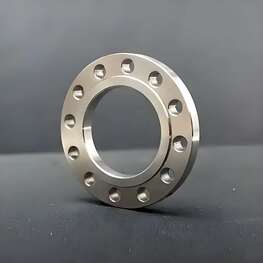
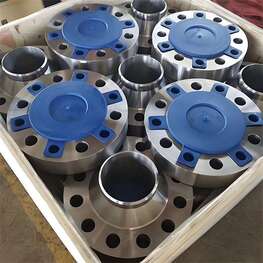
Pipe elbows, welded joints, and flange connections are indeed vulnerable points in the coating. To prevent anti-corrosion defects, the following measures are typically employed:
Apply specialized coating repair materials or anti-corrosion tape at joint interfaces;
Pre-coat elbows and reducers with complete coatings at the factory, followed by on-site coating inspections after installation;
Perform rust removal, spraying, or sleeve treatment on welded interfaces to ensure continuous internal and external anti-corrosion protection.
 WeChat
 Scan wechat
WhatsApp:+86 15383177997
E-mail:wr@insulatedpipeline.com
E-mail:
Address:Development Zone, Cangzhou, Hebei Province, China
技术支持:沧州利畅网络

.jpg)
.jpg)