EMAIL:
wr@insulatedpipeline.com


Published:2025-12-01 | Last Updated: 2026-08-13 Views: 105
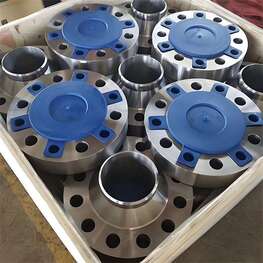
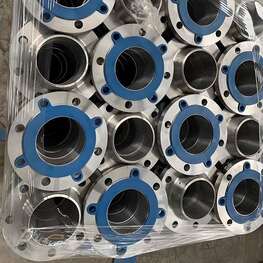
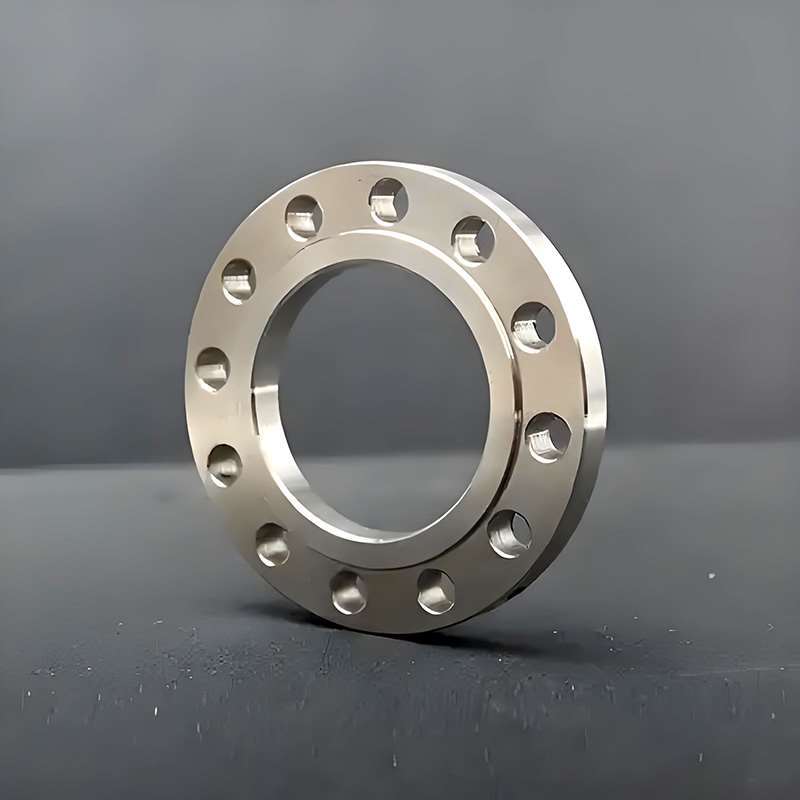
DIN steel flanges are steel pipe flanges manufactured according to German Industrial Standards (DIN), used for connecting pipes, valves, and equipment.
DIN standards clearly define flange dimensions, pressure ratings, sealing surface types, materials, and manufacturing tolerances, ensuring safe and reliable pressure-bearing and sealing capabilities within piping systems.
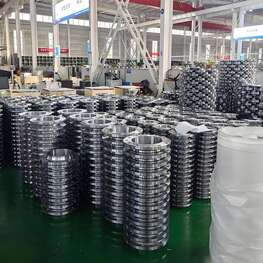
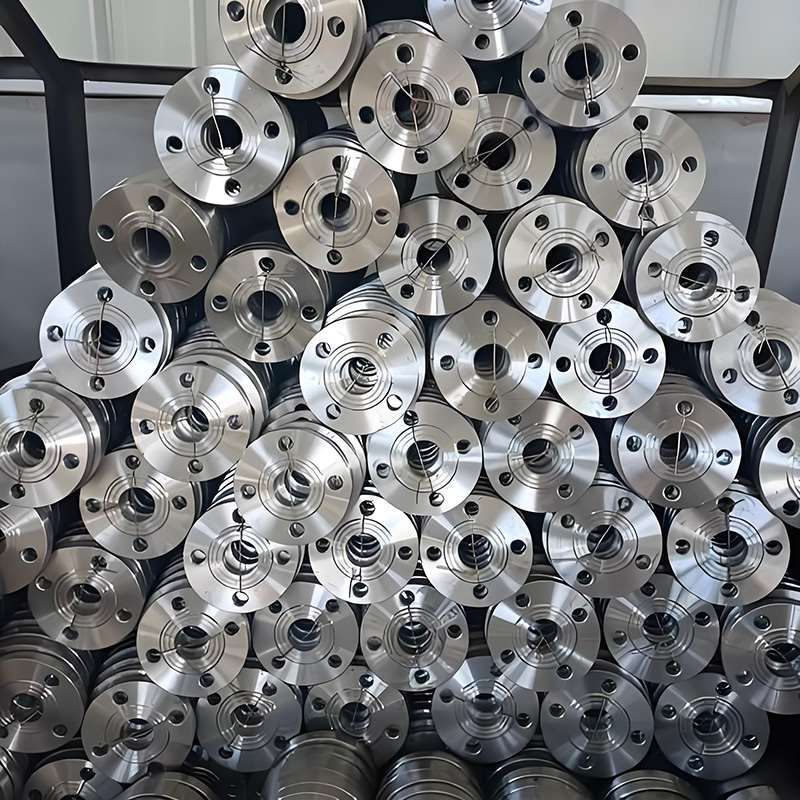
DIN steel flanges are widely used in petroleum, chemical, power generation, shipbuilding, water treatment, HVAC, and other industrial sectors, particularly prevalent in European and international projects.
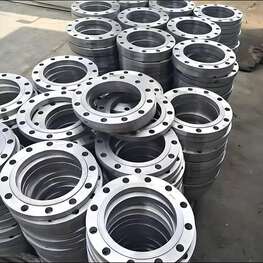
Depending on operating conditions, DIN flanges can be selected in various types including butt-weld flanges, slip-on flanges, blind flanges, and threaded flanges. They can be paired with raised face (RF), flat face (FF), or ring joint (RTJ) sealing surfaces.
| Parameter Category | Parameter Description | Typical Values / Range | Remarks |
|---|---|---|---|
| Nominal Diameter (DN) | Applicable pipe outer diameter for the flange | DN10 ~ DN3000 | Unit: mm |
| Nominal Pressure (PN) | Pressure rating | PN6, PN10, PN16, PN25, PN40, PN63, PN100 | Corresponds to maximum allowable pressure, varies with temperature |
| Flange Type | Connection structure | Weld Neck, Slip-On, Blind, Socket Weld, Threaded, Lap Joint | Selected based on service conditions |
| Sealing Face Type | Flange sealing surface | RF (Raised Face), FF (Flat Face), RTJ (Ring Type Joint) | Different sealing faces are suitable for different pressure ratings |
| Outer Diameter (OD) | Flange outer circular diameter | Determined by DN and PN | Unit: mm |
| Bolt Holes × Diameter | Flange bolted connection | Determined by DN and PN | Common sizes: M16, M20, M24, M27, etc. |
| Flange Thickness | Flange plate thickness | 10–120 mm | Depends on DN, PN, and flange type |
| Material | Common materials | Carbon Steel (St 37-2, S235JR), Low-Temperature Carbon Steel (1.0619), Stainless Steel (1.4301, 1.4404), Alloy Steel | Selected according to medium, temperature, and corrosion resistance |
| Applicable Temperature | Operating temperature range | -50 ℃ ~ 450 ℃ (depends on material and pressure rating) | High-temperature applications require heat-resistant steel or thicker flange |
| Applicable Medium | Service environment | Water, steam, oil, acids & alkalis, gases, etc. | Material and sealing face type must match the medium |
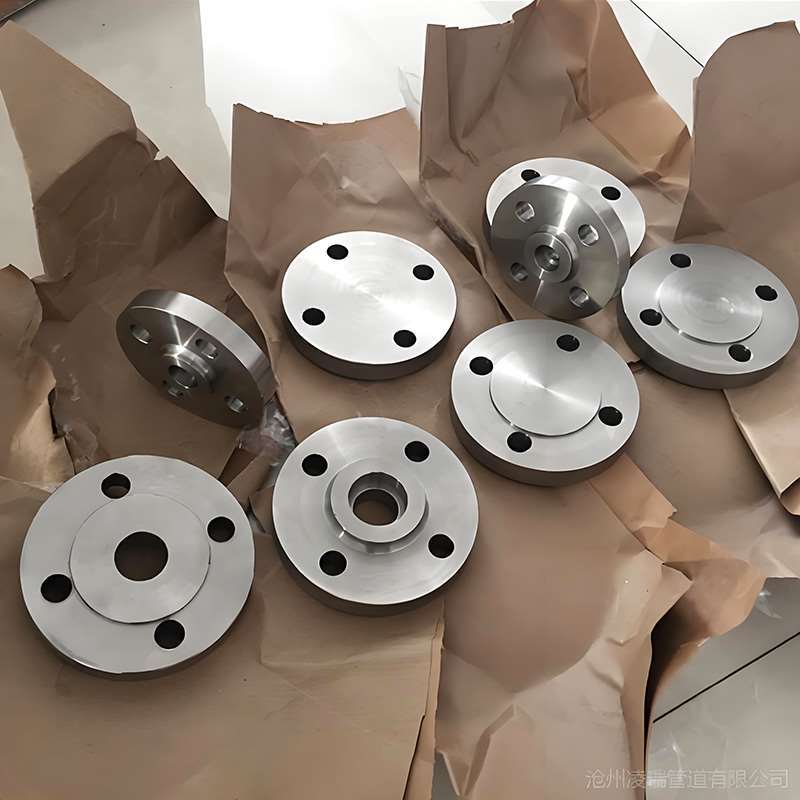
PN denotes nominal pressure in bar (bar), corresponding to the maximum allowable working pressure of the flange at standard temperature.
Common ratings:
PN6: Low-pressure systems
PN10 / PN16: Medium-low pressure systems, commonly used in water supply and HVAC
PN25 / PN40: Medium-high pressure systems, suitable for steam and chemical pipelines
PN63 / PN100: High-pressure systems, suitable for specialized industries, high-pressure steam, or oil/gas pipelines
DN denotes nominal diameter, measured in millimeters (mm), matching the pipe's outer diameter.
Common ranges:
Small diameter: DN10 ~ DN50
Medium diameter: DN65 ~ DN300
Large diameter: DN350 ~ DN3000
| PN Pressure Rating | Applicable Nominal Diameter (DN) | Remarks |
|---|---|---|
| PN6 | DN10 ~ DN600 | Low-pressure water and gas systems |
| PN10 | DN10 ~ DN600 | Medium-low pressure water, HVAC, and gas pipelines |
| PN16 | DN10 ~ DN500 | Common medium-pressure systems, such as steam and chemical pipelines |
| PN25 | DN15 ~ DN400 | High-pressure systems, chemical and steam pipelines |
| PN40 | DN15 ~ DN300 | High-pressure steam or industrial process pipelines |
| PN63 | DN15 ~ DN150 | Special high-pressure systems |
| PN100 | DN10 ~ DN100 | Ultra-high-pressure systems, such as oil, gas, and high-temperature steam |
Note
For flanges with the same DN, the flange thickness, number of bolt holes, and hole diameter will vary according to different PN pressure ratings.
Higher PN ratings are generally used for smaller pipe diameters. As DN increases, standard pressure ratings decrease (e.g., DN600 commonly uses PN6 or PN10).
When selecting flanges, the appropriate combination of PN and DN must be chosen based on the pipeline's working pressure, temperature, medium, and operating conditions to ensure reliable sealing and safety.
Common Grades: St 37-2 / S235JR / P265GH / P250GH
Characteristics: Low cost, good machinability, suitable for medium- and low-pressure pipelines carrying water, steam, gas, etc.
Applications: General industrial pipelines, water supply pipelines, HVAC systems.
Common Grades: 1.0619 / P235GH / P235TR
Characteristics: Excellent toughness in cryogenic environments, resistant to brittle fracture.
Applications: Cryogenic storage tanks, cryogenic liquid pipelines, cryogenic process systems.
Common Grades: 1.4301 (304), 1.4404 (316L), 1.4541
Features: Corrosion and oxidation resistance, suitable for acid/alkali, brine, food, and pharmaceutical pipelines.
Applications: Chemical, seawater, pharmaceutical, food, and pure water systems.
Common Grades: 13CrMo4-5 / 15CrMoG / 10CrMo910
Features: High resistance to temperature, pressure, and corrosion.
Applications: High-temperature steam pipelines, boilers, pressure vessels, and high-temperature conditions in petrochemical industries.
 WeChat
 Scan wechat
WhatsApp:+86 15383177997
E-mail:wr@insulatedpipeline.com
E-mail:
Address:Development Zone, Cangzhou, Hebei Province, China
技术支持:沧州利畅网络

.jpg)
.jpg)