EMAIL:
wr@insulatedpipeline.com


Published:2025-11-17 | Last Updated: 2026-04-22 Views: 102
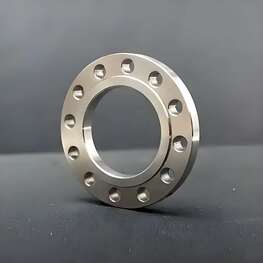
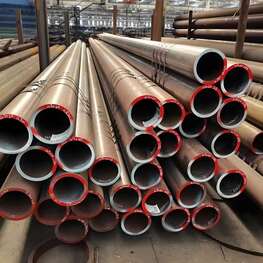
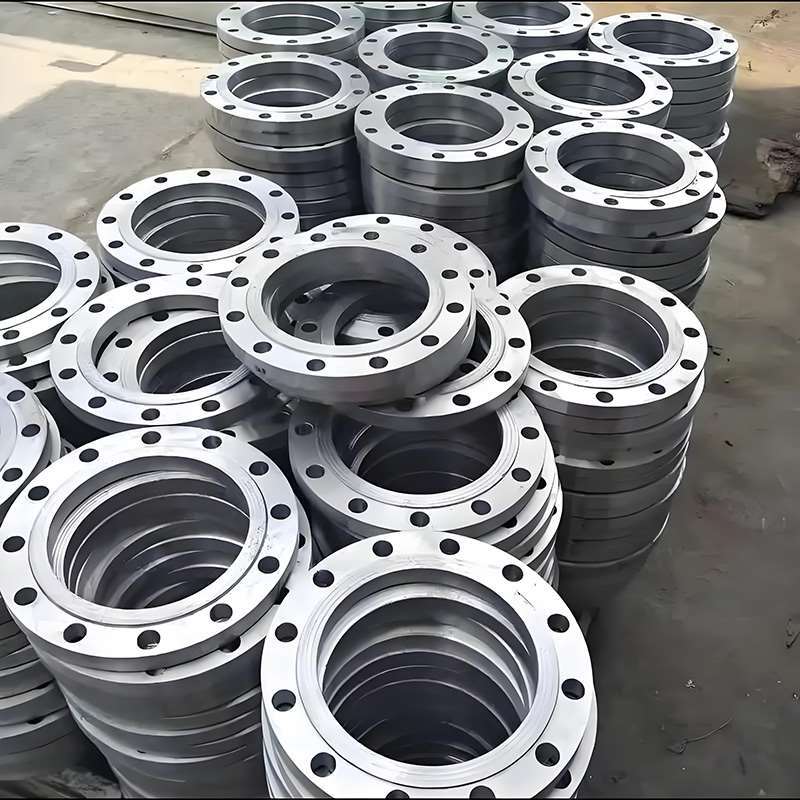
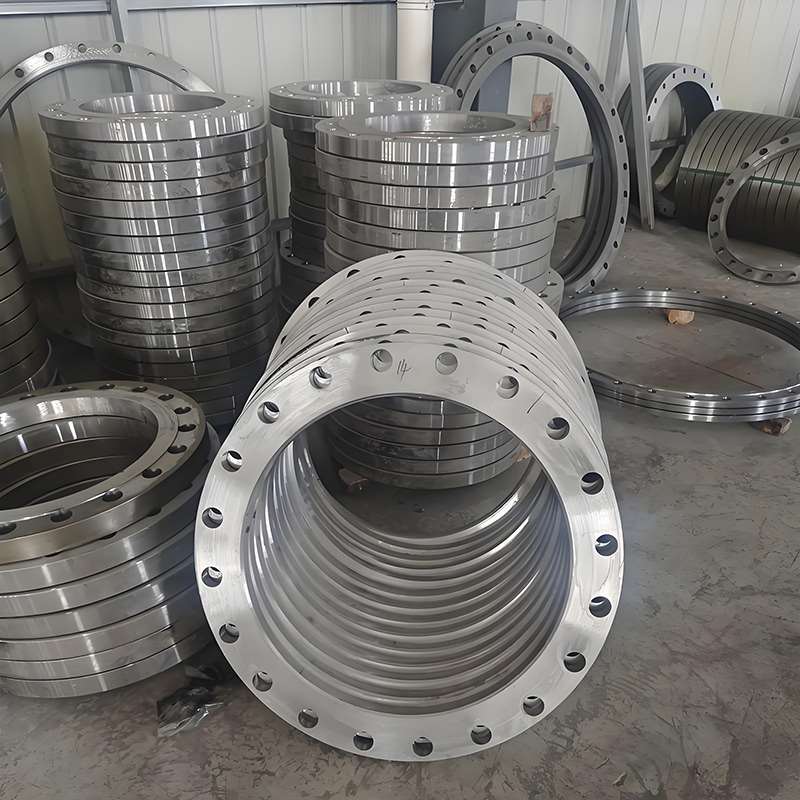
Carbon Steel Flange for Pipeline are pipe fittings used to connect pipelines, valves, pumps, and other equipment. They are secured to piping systems via bolts or welding, ensuring the integrity and safety of the pipeline.
With their high strength, pressure resistance, and cost-effectiveness, carbon steel flanges are widely used in petroleum, natural gas, chemical, water treatment, and industrial piping systems. They are indispensable components in pipeline engineering.
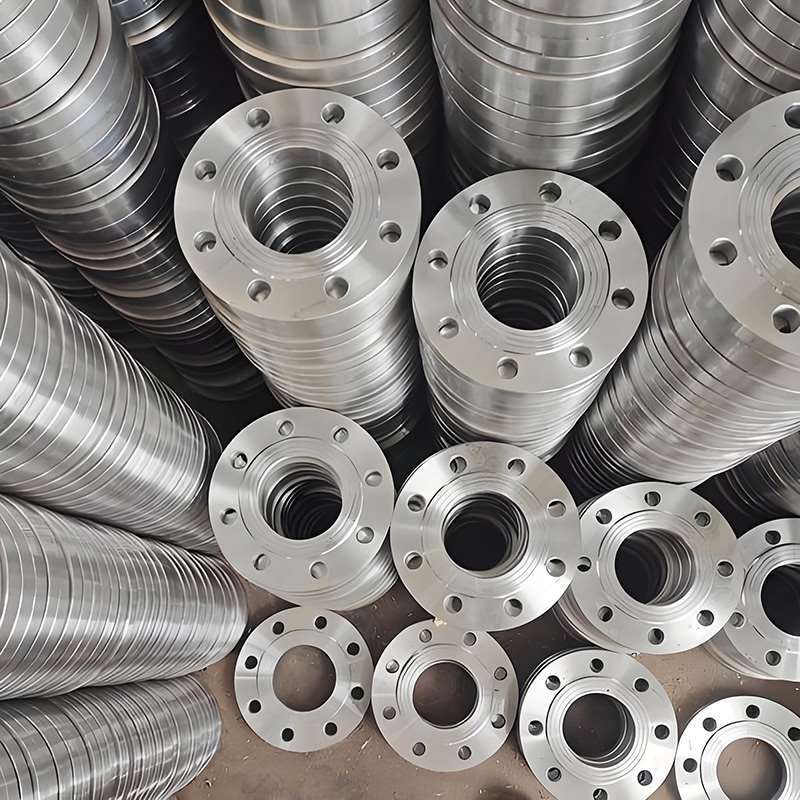
High Strength and Pressure Resistance: Suitable for medium-low and high-pressure pipeline systems, capable of withstanding internal medium pressure.
Excellent Weldability: Easily welded to pipes or bolted for convenient installation.
Cost-Effective: Lower cost compared to alloy steel or stainless steel flanges, offering high value for money.
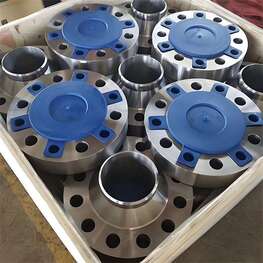
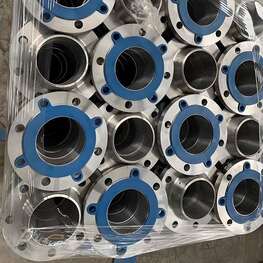
Multiple Types Available: Includes butt-weld neck flanges, slip-on flanges, blind flanges, socket-weld flanges, and more to meet diverse pipeline connection requirements.
By Flange Type: Weld Neck (WN), Slip-On (SO), Blind Flange (BL), Socket Weld (SO), Threaded (TH), etc.
By Standard Specifications: American Standard (ASME B16.5/B16.47), German Standard (DIN), European Standard (EN 1092), Chinese National Standard (GB/T 9112), etc.
By Pressure Rating: PN16, PN25, Class 150, Class 300, etc. Select the appropriate rating based on the pipeline design pressure.
| Parameter | Value |
|---|---|
| Outer Diameter | 50 mm ~ 1400 mm |
| Inner Diameter | Customized according to pipeline nominal size |
| Wall Thickness | 6 mm ~ 60 mm |
| Bolt Holes | Arranged per relevant standards; quantity and diameter vary |
| Pressure Rating | PN16, PN25, Class 150, Class 300 |
| Applicable Temperature | -20°C ~ 400°C (depending on carbon steel material) |
(1) What are the common standards for carbon steel flanges used in piping?
Common standards include: ASME B16.5/B16.47 (American standard), DIN/EN (German/European standard), GB/T 9112 (Chinese national standard), etc.
(2) What are the common pressure ratings?
Common ratings include PN16, PN25, Class 150, and Class 300. Selection should be based on the pipeline's design pressure.
(3) How should flange types be selected?
Choose based on pipeline connection methods and operating environments: Weld neck flanges suit high-pressure and long-distance pipelines; slip-on flanges offer simplified installation; blind flanges are used for pipeline sealing.
(4) Can carbon steel flanges for pipelines be custom-sized?
Standard dimensions range from Outer Diameter 50 mm to 1400 mm and Wall Thickness 6 mm to 60 mm. Non-standard sizes can be customized per project requirements.
(5) What precautions should be taken during installation?
Inspect the flange sealing surface, bolt holes, and gasket for integrity before installation. Tighten bolts evenly to prevent leakage.
(6) Can carbon steel flanges be mixed with pipes made of other materials?
They can be used with carbon steel or low-alloy steel pipes, but welding procedures, pressure ratings, and corrosion resistance requirements must be verified for compatibility.
(7) How can long-term safety be ensured?
Selecting steel grades that meet standards, proper installation, and regular inspections of anti-corrosion coatings and bolt tightness ensure stable, long-term flange performance.
 WeChat
 Scan wechat
WhatsApp:+86 15383177997
E-mail:wr@insulatedpipeline.com
E-mail:
Address:Development Zone, Cangzhou, Hebei Province, China
技术支持:沧州利畅网络
.jpg)
.jpg)