EMAIL:
wr@insulatedpipeline.com


Published:2025-10-23 | Last Updated: 2025-10-23 Views: 98
ASTM A106 is a standard for high-temperature, high-pressure pipelines used to transport steam, water, petroleum, and chemical media. This standard applies to both seamless and welded pipes, which are classified into Grade A, Grade B, and Grade C based on strength and temperature requirements.
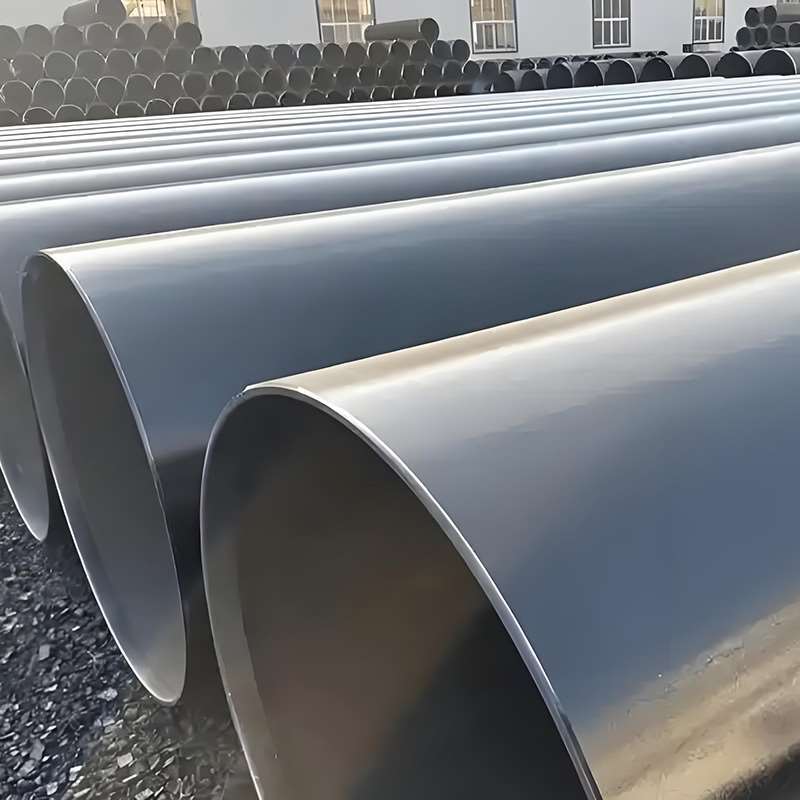
| Item | Technical Requirement | Description |
|---|---|---|
| Standard | ASTM A106 / ASME SA106 | Seamless and welded carbon-steel pipe for high-temperature service |
| Manuacturing Type | Seamless (SMLS), Welded (ERW, SAW) | Selected according to diameter and project needs |
| Steel Grade | Grade A / Grade B / Grade C | Grade C has the highest strength for high-temp/high-pressure duty |
| Size Range | NPS 1/8" – 48" | Per ASTM or custom dimensions |
| Wall Thickness Range | SCH 10 – SCH 160 / XXS | Per ASME B36.10M |
| Length | 5.8 m / 6 m / 12 m or fixed length | Tolerance ±50 mm |
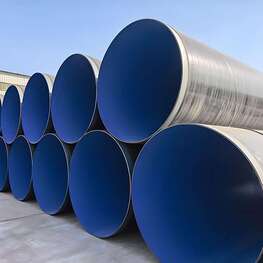
| Surface Condition | Black, hot-dip galvanized, painted or anti-corrosion coating | Customized on request |
| Chemical Composition (%) | C 0.25–0.30 (Grade B), Mn 0.29–1.06, P ≤ 0.035, S ≤ 0.035 | Values shown for Grade B |
| Tensile Strength | ≥ 415 MPa (Grade B) | Grade A ≥ 330 MPa, Grade C ≥ 485 MPa |
| Yield Strength | ≥ 240 MPa (Grade B) | Grade A ≥ 205 MPa, Grade C ≥ 345 MPa |
| Elongation | ≥ 20 % | Adjusted according to wall thickness |
| Service Temperature | High-temperature fluid service, up to 425 °C | Verify temperature suitability in engineering design |
| End Finish | Plain Ends (PE), Beveled Ends (BE), Threaded (TH) | Caps or couplings available |
| Application | Conveyance of steam, water, oil and chemical media | First choice for high-temperature, high-pressure piping |
| Inspection Requirements | Hydrostatic test, NDT (UT/RT), chemical & mechanical tests | Ensure pipeline safety and reliability |
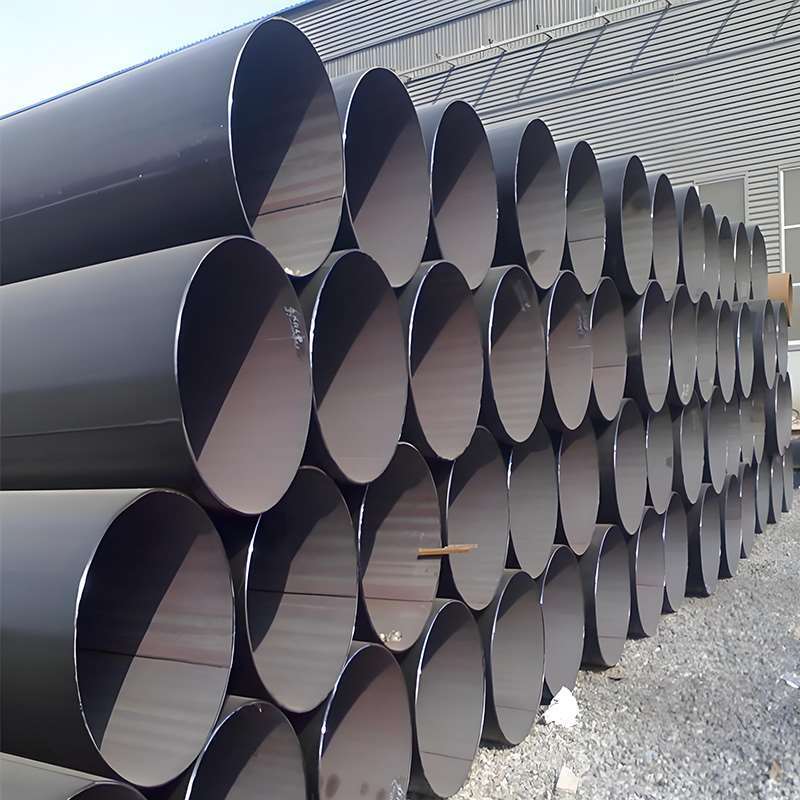
| Item | Grade A | Grade B | Grade C | Description |
|---|---|---|---|---|
| Tensile Strength | ≥ 330 MPa | ≥ 415 MPa | ≥ 485 MPa | Grade C has the highest strength for high-pressure & high-temperature service |
| Yield Strength | ≥ 205 MPa | ≥ 240 MPa | ≥ 345 MPa | Grade C provides the greatest load-bearing capacity |
| Carbon Content | ≤ 0.30 % | ≤ 0.30 % | ≤ 0.35 % | Higher carbon gives higher strength |
| Manganese Content | 0.29–1.06 % | 0.29–1.06 % | 0.29–1.06 % | Same range, but Grade C retains better properties at elevated temperatures |
| Service Temperature | High-temp fluids | High-temp fluids | High-temp & high-pressure fluids | Grade C withstands the highest temperatures |
| Typical Application | Low-pressure steam lines, general industry | Medium- & high-pressure steam, water, oil piping | High-pressure & high-temperature chemical or power piping | Select grade according to pressure and temperature |
| Price | Lower | Medium | Higher | Higher performance = higher cost |
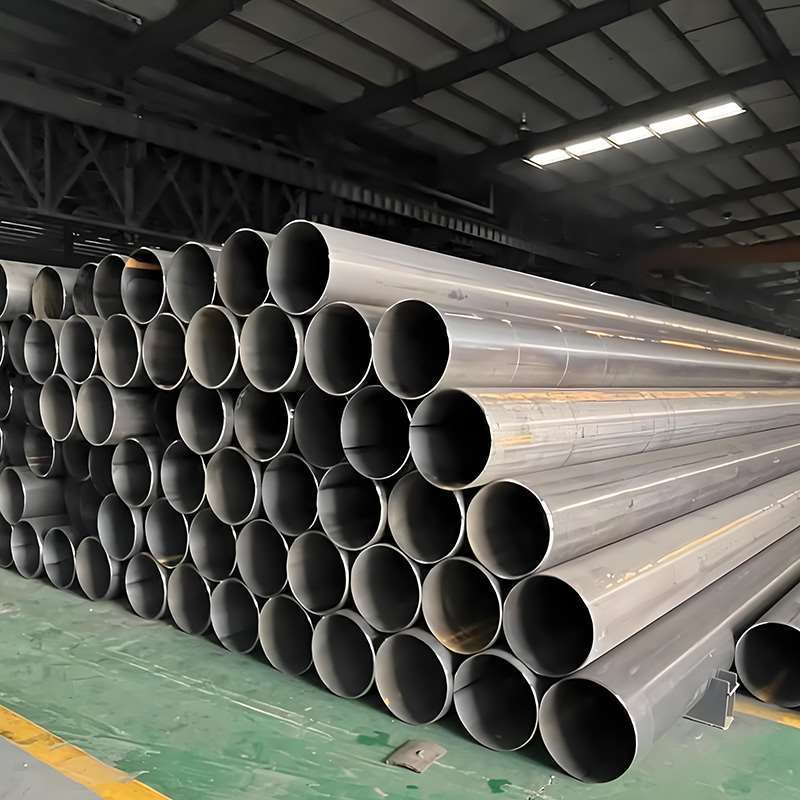
Q1: How to select the steel grade and material for ASTM A106 pipes?
A1: Select Grade A, B, or C based on pipeline operating pressure and temperature. When purchasing, ensure the pipes comply with ASTM A106 / ASME SA106 standards and request a Material Test Certificate (MTC).
Q2: What should be considered regarding pipe dimensions and tolerances?
A2: Outer diameter, wall thickness, and length must conform to design drawings. Schedule (SCH) wall thickness should match fittings like flanges and elbows. Length tolerances impact on-site installation efficiency.
Q3: How is welding process and weld quality ensured?
A3: When selecting ERW or SAW welded pipes, ensure reliable weld strength and sealing integrity. For pressure-bearing pipelines, provide non-destructive testing reports to prevent weld defects from affecting construction.
Q4: How should anti-corrosion treatment be selected?
A4: Select hot-dip galvanizing, FBE, 3PE, or polyurethane coatings based on the operating environment, and verify coating thickness and quality. Protect pipe ends and coatings during transportation and storage to prevent damage.
Q5: How are delivery schedules and supply stability ensured?
A5: Confirm suppliers can deliver promptly per project schedules, support batch shipments for large-diameter and long-length pipes, while managing inventory and transport protection.
Q6: How should price and cost-effectiveness be evaluated?
A6: Grade B and Grade C pipes carry slightly higher costs but offer superior performance for high-temperature/high-pressure applications. Evaluate total costs including pipe material, transportation, anti-corrosion, and inspection to select the most cost-effective solution.
Q7: What considerations are required for pipeline installation and maintenance?
A7: Pipe end preparation must meet on-site welding or flange connection requirements; pipeline weight and length should facilitate construction machinery operation; underground or high-temperature pipelines require consideration for future maintenance accessibility.
 WeChat
 Scan wechat
WhatsApp:+86 15383177997
E-mail:wr@insulatedpipeline.com
E-mail:
Address:Development Zone, Cangzhou, Hebei Province, China
技术支持:沧州利畅网络
.jpg)
.jpg)