EMAIL:
wr@insulatedpipeline.com


Published:2026-08-13 | Last Updated: 2026-08-13 Views: 62
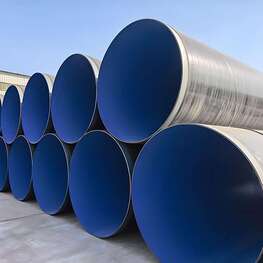
ISO 3183 PSL2 welded steel pipes are high-performance welded pipes manufactured according to the international standard ISO 3183 (Steel pipes for oil and gas pipelines). Classified as PSL2 grade, they meet stricter requirements for chemical composition, mechanical properties, and testing.
This product is primarily used for transporting petroleum, natural gas, and other liquid media, capable of withstanding high operating pressures and complex environmental conditions.
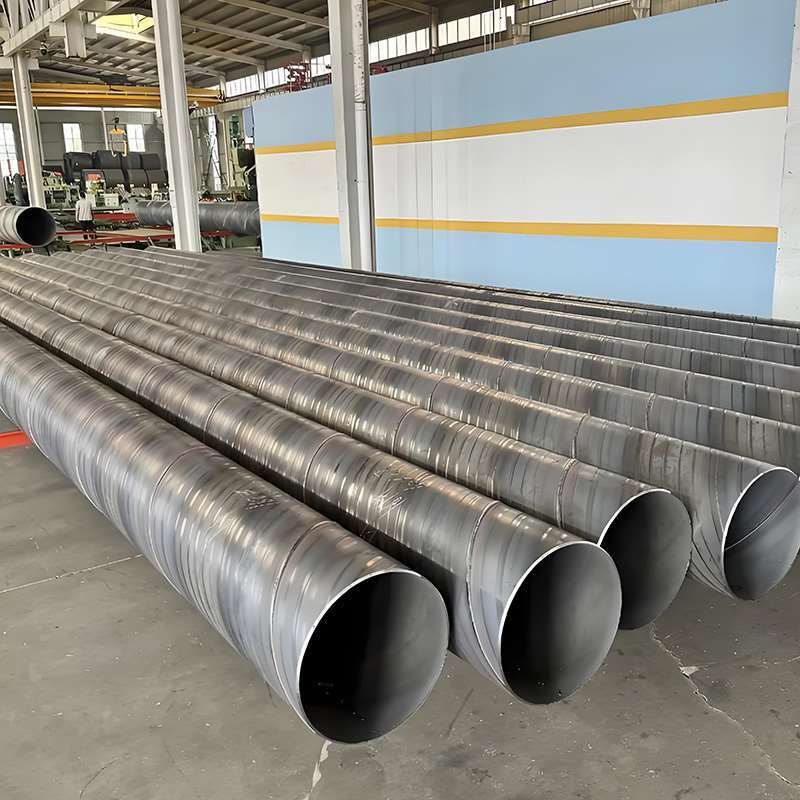
The ISO 3183 standard primarily applies to steel pipes used in oil and gas transmission pipelines. Pipes are categorized into different grades and performance specification levels (PSL) based on their properties and testing requirements. Details are provided below:
ISO 3183 classifies pipeline steel pipes into two levels: PSL1 and PSL2:
| Grade | Features | Application Range |
|---|---|---|
| PSL1 | Basic line-pipe steel meeting standard chemical and mechanical property requirements | General oil & gas transmission pipelines for normal pressure environments |
| PSL2 | More stringent requirements on chemistry, mechanical properties, toughness, weldability and defect control | High-pressure, high-toughness pipelines in complex environments and extreme-temperature conditions |
Within PSL1 and PSL2, steel pipes can be further classified based on their strength grades. Common grades are as follows (ISO 3183-1):
| Steel Grade | Yield Strength σy (MPa) | Tensile Strength σb (MPa) | Remarks |
|---|---|---|---|
| X42 | 290–315 | 415–535 | Conventional low-pressure line pipe |
| X46 | 320–350 | 450–570 | Medium-pressure pipeline |
| X52 | 345–380 | 460–610 | Medium-high pressure pipeline |
| X56 | 380–415 | 490–640 | High-pressure pipeline |
| X60 | 415–450 | 510–680 | High-pressure line, widely used for long-distance oil & gas transmission |
| X65 | 450–485 | 540–710 | High-pressure or long-distance transportation |
| X70 | 485–525 | 565–760 | High-strength transmission pipeline |
| X80 | 525–565 | 600–830 | Ultra-high-strength pipeline |
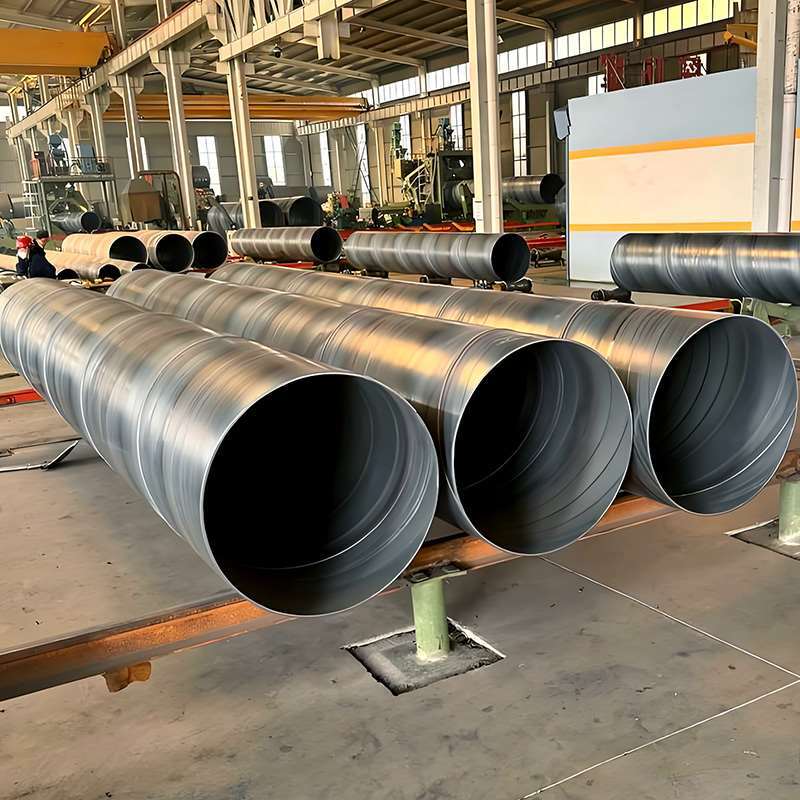
| Parameter Category | Parameter Description | Remarks / Selection Tips |
|---|---|---|
| Standard | ISO 3183:2019 | Standard for steel pipe used in petroleum and natural-gas pipelines |
| Performance Level | PSL2 | High-performance line pipe with strict chemical and mechanical requirements |
| Steel Grade | X42 / X46 / X52 / X56 / X60 / X65 / X70 / X80 | Higher grades offer higher yield and tensile strength for larger operating pressures |
| Nominal Diameter | 1/2" – 48" (21.3 mm – 1 219 mm) | Select based on flow rate and pipeline design |
| Wall Thickness | 2.0 mm – 25 mm (light, medium, heavy wall) | Medium or heavy wall recommended for high-pressure service |
| Length | 6 m standard; cut-to-length available | Export or special projects can order custom lengths |
| Welding Process | High-frequency ERW or SAW (submerged-arc longitudinal) | Choose in accordance with pipe diameter and project demands |
| Elongation | ≥ 20 % at room temperature | Ensures ductility for terrain changes and welding stresses |
| Impact Toughness | Charpy V-notch ≥ 27 J at –20 °C or –30 °C | PSL2 requirement for cold-climate service |
| Surface Finish | Bare, shot-blasted or anti-corrosion coating optional | Select coating based on fluid and environmental conditions |
| Application Range | Oil, gas and chemical-liquid transmission pipelines | Ideal for onshore & near-shore lines; preferred for high-pressure long-distance systems |
ISO 3183 PSL2 welded steel pipes are primarily used in petroleum and natural gas pipeline projects, suitable for onshore and offshore transportation of crude oil, natural gas, and other liquid media.
Featuring high strength and excellent toughness, they withstand high pressure and complex environmental conditions. These pipes are widely applied in demanding scenarios such as long-distance transmission pipelines, chemical liquid transport pipelines, oilfield development, and refinery pipeline network construction.
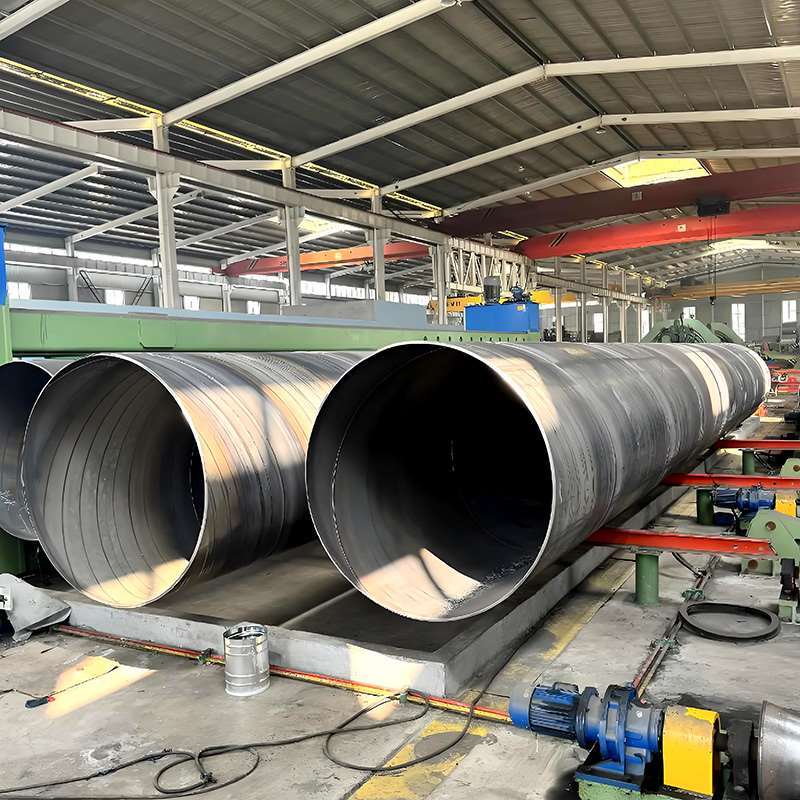
The pressure-bearing capacity of ISO 3183 PSL2 steel pipes depends on the steel grade and wall thickness. For instance, high-strength grades like X52, X60, and X65 can meet medium-to-high pressure oil pipeline requirements. Selection must be calculated based on pipeline diameter, conveyed fluid, and design pressure to ensure safety factors.
Natural gas pipelines require specific pipe properties including yield strength, tensile strength, and low-temperature toughness. When selecting steel grades (e.g., X52, X60) and wall thicknesses, reference should be made to the transmission pressure, pipe diameter, and ambient temperature to ensure long-term safe pipeline operation.
Chemical liquid pipelines may contain corrosive media. It is recommended to apply corrosion protection treatments such as hot-dip galvanizing, epoxy coating, or polyethylene lining to ensure long-term stable pipeline operation. The steel pipe material and weld quality must also comply with PSL2 requirements.
Long-distance pipelines require comprehensive consideration of operating pressure and terrain stresses. Medium-to-high-pressure pipelines typically use medium-thickness or thick-walled steel pipes. High-strength grades (X52, X60) meet safety requirements while ensuring welding construction convenience.
Yes. The offshore environment features high humidity and severe seawater corrosion. Hot-dip galvanizing or epoxy coating is recommended, with additional protective layers (such as external jackets or cathodic protection) to ensure long-term pipeline durability.
ISO 3183 PSL2 steel pipes possess high yield strength and good toughness, capable of withstanding urban gas network pressures. Selection should consider pipe diameter, design pressure, and safety factors, ensuring welding and installation comply with standard specifications.
Refinery oil and gas pipelines often operate under high-temperature, high-pressure conditions. Steel pipes must meet PSL2 specifications for strength, elongation, and impact toughness. Wall thickness and steel grades should be selected based on the medium type and pipeline design pressure.
Oilfield pipelines must withstand well pressure fluctuations and environmental corrosion. It is recommended to select PSL2 pipes with appropriate steel grades and wall thicknesses, combined with weld quality inspection, anti-corrosion coatings, and regular maintenance to ensure long-term safe and reliable operation.
 WeChat
 Scan wechat
WhatsApp:+86 15383177997
E-mail:wr@insulatedpipeline.com
E-mail:
Address:Development Zone, Cangzhou, Hebei Province, China
技术支持:沧州利畅网络
.jpg)
.jpg)