EMAIL:
wr@insulatedpipeline.com



Number of visits:87 seconds Update time:2026-01-01
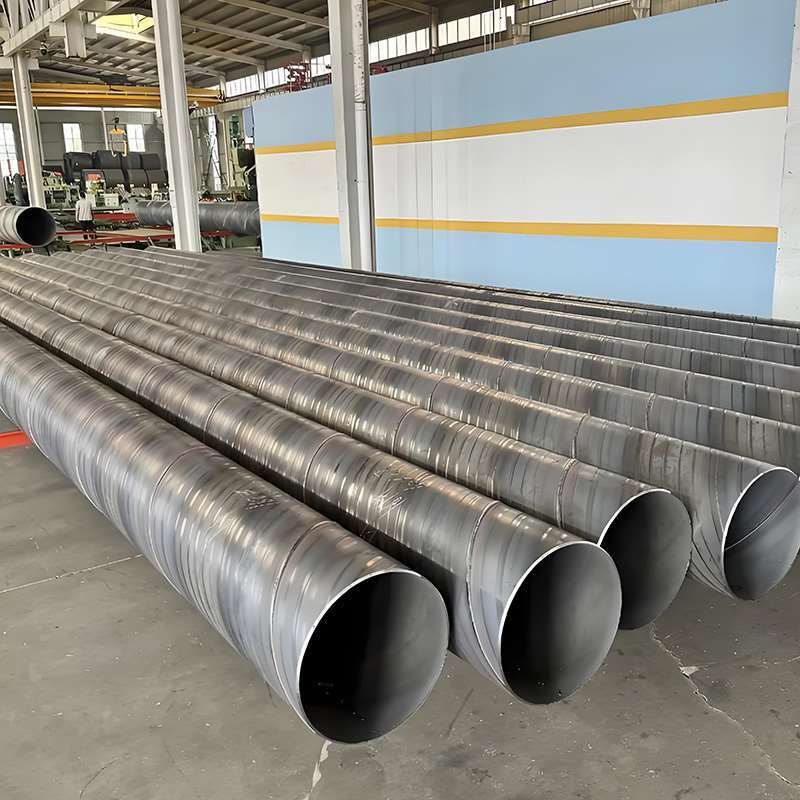
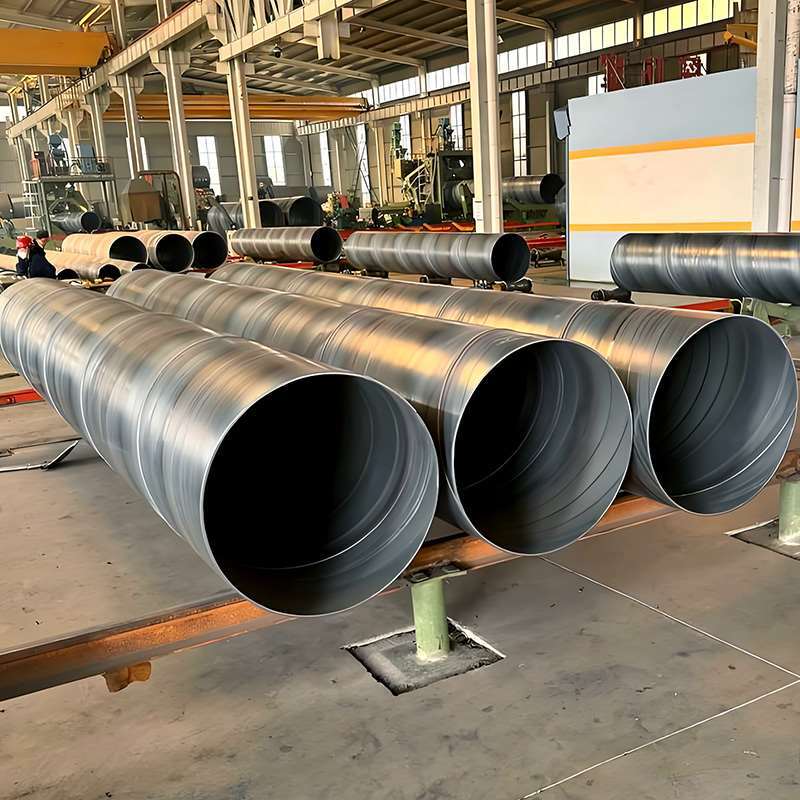
When procuring spiral submerged arc welded (SSAW) steel pipes, the anti-corrosion coating directly affects the pipeline's service life, construction safety, and long-term maintenance costs. Common anti-corrosion coatings include fusion-bonded epoxy (FBE), three-layer polyethylene (3PE), and asphalt coatings. Understanding the characteristics and applicable scenarios of each coating helps procurement personnel make the right choice.
(1) Features
Single-layer epoxy powder coating, high-temperature fusion adhesion to pipe surface
Strong adhesion, corrosion resistance, and good wear resistance
Suitable for medium and low pressure pipelines
(2) Applicable Scenarios
Underground pipelines, urban water supply pipes
Environments with low corrosivity
(3) Procurement Focus
Uniform FBE thickness and adhesion meeting standards
Whether it meets ASTM, ISO, or GB/T testing standards
Easy to construct, easy to handle pipe bends and joints
(1) Features
Structure: Epoxy primer (EP) + adhesive layer + polyethylene protective layer
Corrosion resistance is superior to single-layer FBE, with strong resistance to mechanical damage
Suitable for medium and high pressure, large-diameter pipelines
(2) Applicable scenarios
Long-distance oil and gas pipelines
Highly corrosive soil or marine environments
(3) Procurement considerations
The thickness of the three layers meets design requirements (epoxy primer 250–350μm, polyethylene layer 2–3mm)
Accepted adhesion test results
Complete anti-corrosion test report, and rich construction experience
(1) Characteristics
Temperature: Coated with hot asphalt or modified asphalt to form a waterproof and anti-corrosion film.
Good water resistance, but weak resistance to mechanical damage and high temperature.
Highly economical, suitable for low-cost projects.
(2) Applicable Scenarios
Low-pressure water supply and drainage, general oil pipelines.
Environments where resistance to mechanical impact is not high.
(3) Procurement Focus
Uniform asphalt coating, free of bubbles and cracks.
Thickness conforms to design specifications.
Property protection measures are in place during transportation and construction.
| Coating Type | Advantages | Disadvantages | Typical Applications |
|---|---|---|---|
| FBE (Fusion Bonded Epoxy) | Good adhesion, easy to apply, strong corrosion resistance | Single-layer system, moderate mechanical damage resistance | Medium- and low-pressure pipelines, urban water supply |
| 3PE (Three-Layer Polyethylene) | Excellent corrosion resistance, strong mechanical protection, long service life | Higher cost, complex construction | Long-distance pipelines, offshore pipelines, highly corrosive soils |
| Bitumen Coating | Low cost, good waterproofing | Poor wear resistance and temperature resistance | Low-pressure water supply & drainage, general crude oil pipelines |
Selection Considerations:
Based on project pressure rating: FBE is suitable for medium and low pressure applications; 3PE is preferred for high pressure or long-distance pipelines.
Based on environmental corrosivity: 3PE is recommended for highly corrosive soil or marine environments.
Based on cost budget: Asphalt coating can be considered for economical projects.
Check supplier qualifications: Ensure the supplier has complete certifications and provides corrosion protection testing reports.
 WeChat
 Scan wechat
WhatsApp:+86 15383177997
E-mail:wr@insulatedpipeline.com
E-mail:
Address:Development Zone, Cangzhou, Hebei Province, China
技术支持:沧州利畅网络
.jpg)