EMAIL:
wr@insulatedpipeline.com



Number of visits:97 seconds Update time:2025-12-20
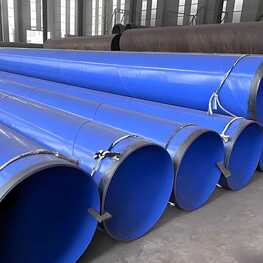
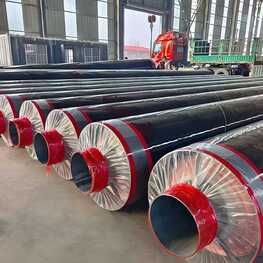
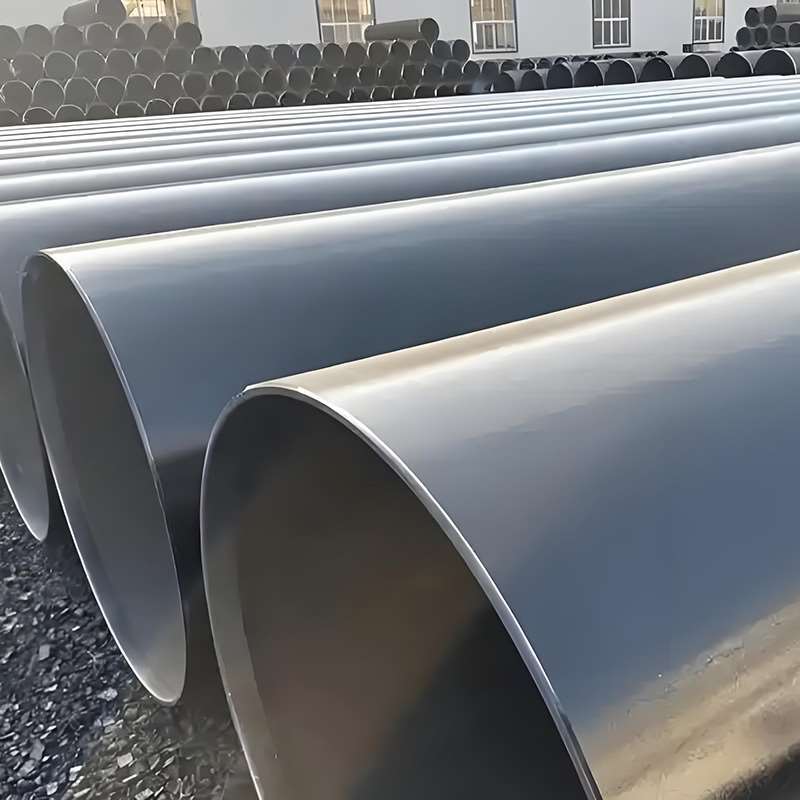
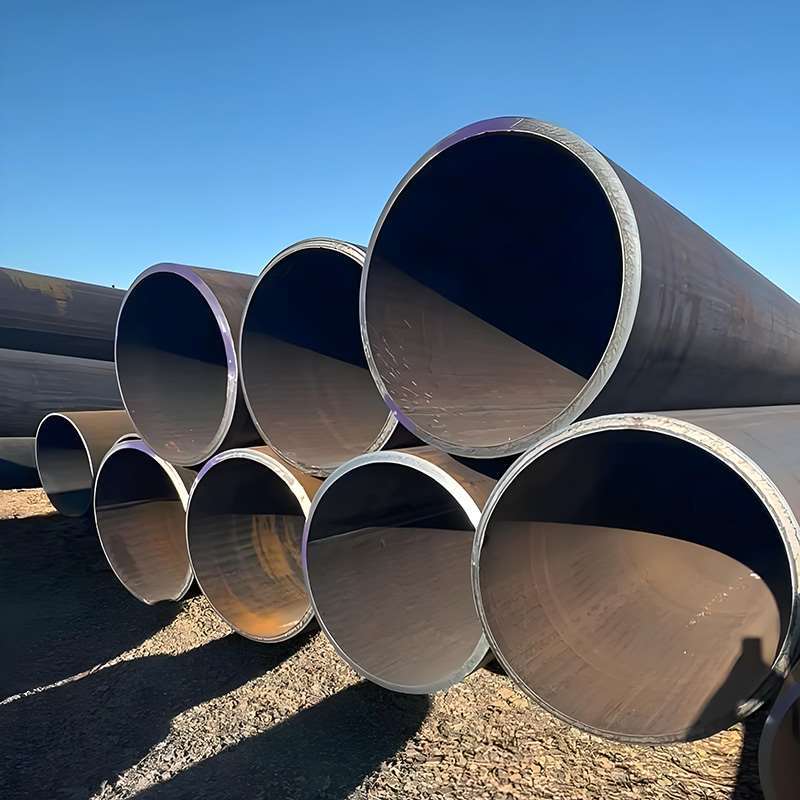
Directly buried arc-fired steel pipes are commonly used large-diameter pipes for petroleum, natural gas, municipal heating and industrial power areas. If you don't understand the different national and regional standards, please be sure to check the quality of the items.
| Standard System | Issuing Organization | Application Scope | Latest Version / Update | Key Features |
|---|---|---|---|---|
| API 5L | American Petroleum Institute (API) | Transportation of oil, natural gas, and water | API 5L-2022 | PSL1/PSL2 grading; emphasizes chemical composition, mechanical properties, and weld quality |
| ASTM | American Society for Testing and Materials (ASTM) | General-purpose steel pipes for multiple industries | ASTM A53 / A252 / A106, etc. | Widely applicable; emphasizes dimensional tolerance and mechanical properties |
| EN | European Committee for Standardization (CEN) | European and export projects | EN 10217-1/2, EN 10219 | Refined welding process; suitable for high-pressure pipelines |
| GB | National Standards of China (GB) | Domestic engineering and export | GB/T 3091-2025, GB/T 9711 | Covers welded, ERW, and spiral pipes; emphasizes mechanical properties and corrosion protection |
(1) Material and chemical composition
API 5L: Classified by pipeline steel grades (X42-X120), the carbon content is strictly controlled to ensure weldability and low-temperature toughness.
ASTM: Materials cover carbon steel and low alloy steel, with more attention paid to mechanical properties.
EN: It requires strict chemical composition uniformity and low-temperature toughness, and is suitable for high-pressure and extreme environments.
GB: It takes into account both carbon steel and low alloy steel, and is widely used in thermal, industrial and municipal pipe networks.
(2) Dimensions and tolerances
API 5L: The outer diameter, nominal wall thickness and length are strictly controlled. The length can be fixed or random.
ASTM: The standard length is generally 6 to 12 meters, and it can be customized according to customer requirements.
EN: Strict tolerances for length and wall thickness facilitate the design of high-pressure systems.
GB: 12-meter fixed length is available or can be produced according to the contract, with a wide range of wall thicknesses.
(3) Welding process
API 5L: Resistance welding or submerged arc welding, the mechanical properties of the weld seam must meet the PSL grade.
ASTM: Straight seam welding or spiral welding, suitable for different welding methods.
EN: Strict requirements are imposed on the welding process of weld seams and post-weld inspection.
GB: Both straight seam submerged arc welded and spiral welded pipes have standards, emphasizing the anti-corrosion of weld seams.
(4) Testing and Inspection
API 5L: including tensile, impact, hardness, and ultrasonic weld seam testing.
ASTM: Focuses on dimensional accuracy, mechanical properties and chemical composition.
EN: X-ray inspection of weld seams, pressure testing and low-temperature impact testing.
GB: Ultrasonic testing, pressure testing, low-temperature impact and surface defect inspection.
| Standard | Pipe Type | Material Grade | Nominal Diameter (DN/mm) | Wall Thickness Range (mm) | Application Scope |
|---|---|---|---|---|---|
| API 5L | PSL1 / PSL2 | X42–X120 | 21.3–1422 | 2.77–40.0 | Transportation of oil, natural gas, and water pipelines |
| ASTM | A53 / A252 / A106 | Gr.A/B, Gr.B | 21.3–914 | 2.3–25.4 | Industrial hot water, steam, and general-purpose pipelines |
| EN | 10217-1/2 / 10219 | P235TR1–P355NH | 15–1220 | 1.6–50 | High-pressure thermal, industrial, chemical, and structural pipes |
| GB | GB/T 3091 / GB/T 9711 | Q235–Q345 | 21.3–1420 | 2.3–40 | Thermal, industrial, petroleum & natural gas, and municipal pipelines |
International projects: Give priority to referring to API 5L or EN standards, in line with the requirements of international oil and gas engineering.
Domestic engineering or export to the Asian market: GB standards can be chosen, with obvious advantages in cost and supply chain.
For special environments such as low temperatures, high pressures or corrosive media, it is recommended to choose API 5L pipes of EN standard or PSL2 grade.
Economy: The price of ASTM standard pipes is relatively stable and suitable for general industrial pipes.
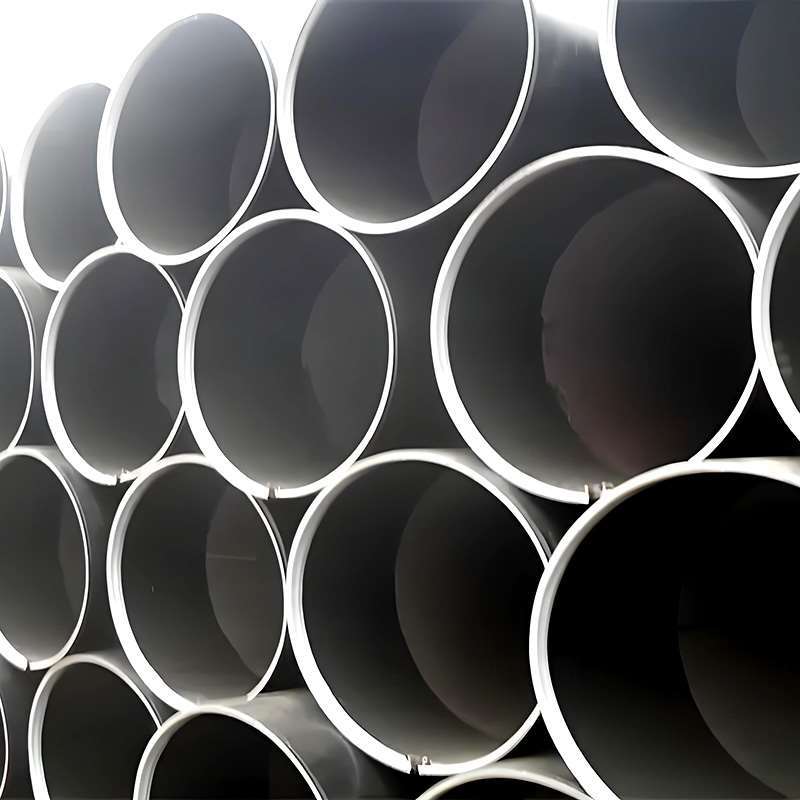
Material certificate: Ensure that the chemical composition and mechanical properties of the steel pipe meet the selected standards.
Inspection report: including ultrasonic weld seam inspection, pressure test, low-temperature impact test, etc.
Visual inspection: Pipe straightness, surface defects, weld flatness.
Identification and Traceability: Each pipe should be marked with its specification, production batch number and production date for easy traceability in the future.
Anti-corrosion and insulation inspection: The coating of the outer protective pipe is complete, and the density and thickness of the insulation layer meet the design requirements.
 WeChat
 Scan wechat
WhatsApp:+86 15383177997
E-mail:wr@insulatedpipeline.com
E-mail:
Address:Development Zone, Cangzhou, Hebei Province, China
技术支持:沧州利畅网络