EMAIL:
wr@insulatedpipeline.com


Published:2025-11-24 | Last Updated: 2025-11-24 Views: 105
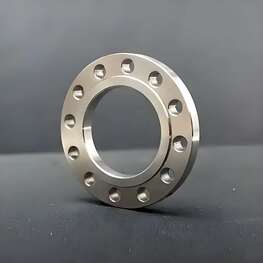
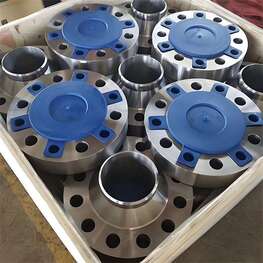
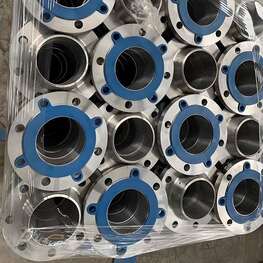
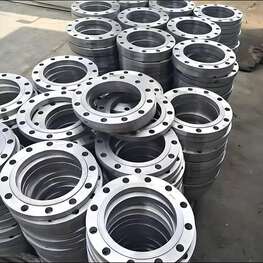
EN 1092-1 is one of the primary European standards for steel pipe flanges, widely used in connection systems for pressure pipelines, valves, pumps, and fittings.
Issued by CEN (European Committee for Standardization), this standard supersedes the original DIN series flange standards (e.g., DIN 2631–2638) and is extensively adopted across the European Union and international markets.
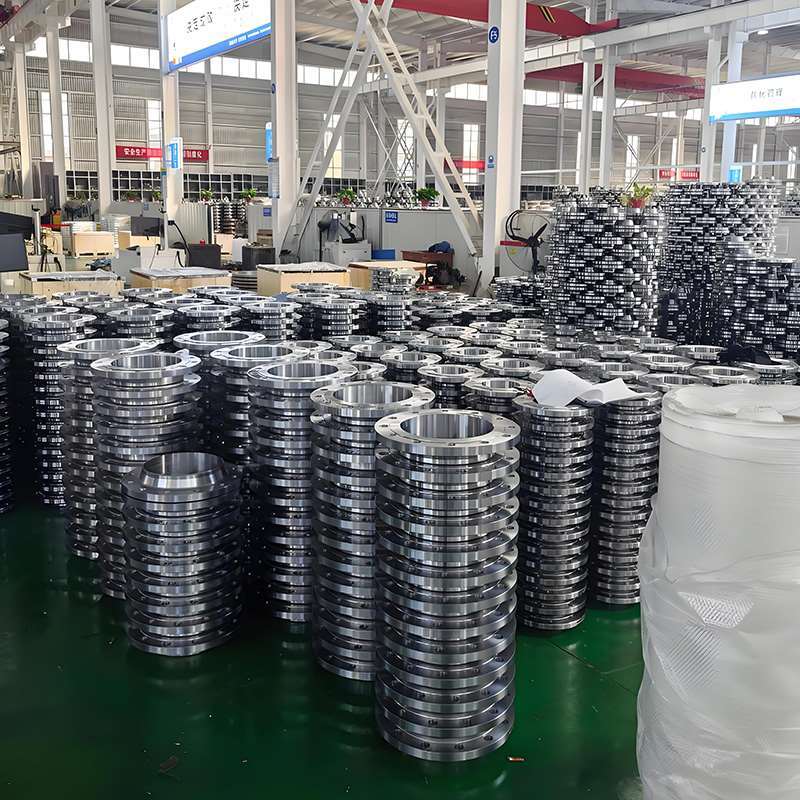
| Item | Standard Specification | Typical Value or Range |
|---|---|---|
| Flange Type | Defines multiple structural types (Type 01~Type 21) for different connection methods | Type 01 (Plate), Type 02 (Loose), Type 11 (Weld Neck), Type 12 (Slip On), Type 13 (Socket Weld), Type 21 (Threaded), Type 05 (Blind) |
| Nominal Pressure Rating | Standard pressure classes, expressed in bar | PN 2.5, PN 6, PN 10, PN 16, PN 25, PN 40, PN 63, PN 100, PN 160, PN 250, PN 400 |
| Nominal Size Range | Applicable nominal diameter range | DN 10 – DN 4000 |
| Sealing Face Type | Classified by sealing surface form | Type A (Flat Face, FF), Type B (Raised Face, RF), Type C (Female), Type D (Male), Type E (Ring Type Joint, RTJ) |
| Connection Type | Welded, threaded, or loose connections | Butt weld, slip on, socket weld, threaded, loose |
| Flange Thickness (Typical) | Varies depending on DN and PN rating | Example: PN16 DN100 → Thickness ≈ 18 mm PN40 DN100 → Thickness ≈ 30 mm |
| Number of Bolt Holes | Determined by DN and PN class | Example: DN100 PN10 → 8 holes DN100 PN40 → 8 holes (different bolt hole diameter) |
| Material Grades | Material selection based on service and medium | Carbon Steel: P245GH, P250GH, C22.8 Stainless Steel: 1.4301 (304), 1.4404 (316L) Alloy Steel: 16Mo3, 13CrMo4-5 |
| Sealing Surface Roughness | Surface finish requirement for sealing faces | Raised face: Ra ≤ 3.2 μm (typically 3.2–6.3 μm) |
| Manufacturing Tolerance | Tolerance for OD, bolt hole pitch, thickness, etc. | Dimensional deviation ±1.0 mm ~ ±3.0 mm (depending on size class) |
| Marking Requirements | Each flange must be permanently marked with standard, material, and pressure rating | Example: EN 1092-1 – DN100 – PN16 – P245GH – Heat No. – Manufacturer |
| Type No. | Chinese Name | Feature Description | Common Applications |
|---|---|---|---|
| Type 01 | Plate Slip-On Flange | Simple structure, low manufacturing cost, suitable for low-pressure systems | Water supply and drainage, ventilation, low-pressure gas pipelines |
| Type 02 | Loose Flange (with Welding Collar) | The flange body is not directly welded to the pipe, suitable for stainless steel or corrosive media systems | Chemical equipment, stainless steel lined pipelines |
| Type 04 | Loose Flange (with Weld Neck Collar) | Higher pressure resistance than Type 02, stronger welded connection | High-pressure anti-corrosion or plastic-lined pipelines |
| Type 05 | Blind Flange | Used to close pipeline ends or valve outlets | Pipeline testing, end sealing |
| Type 11 | Weld Neck Flange | Welded to pipe end, high pressure resistance, excellent against stress concentration | High-temperature and high-pressure systems, steam pipelines |
| Type 12 | Slip-On Flange | Easy assembly, less welding workload | Medium and low-pressure pipelines, circulating water systems |
| Type 13 | Socket Weld Flange | Pipe is inserted into flange bore and welded; suitable for small-diameter high-pressure lines | Instrumentation lines, hydraulic systems |
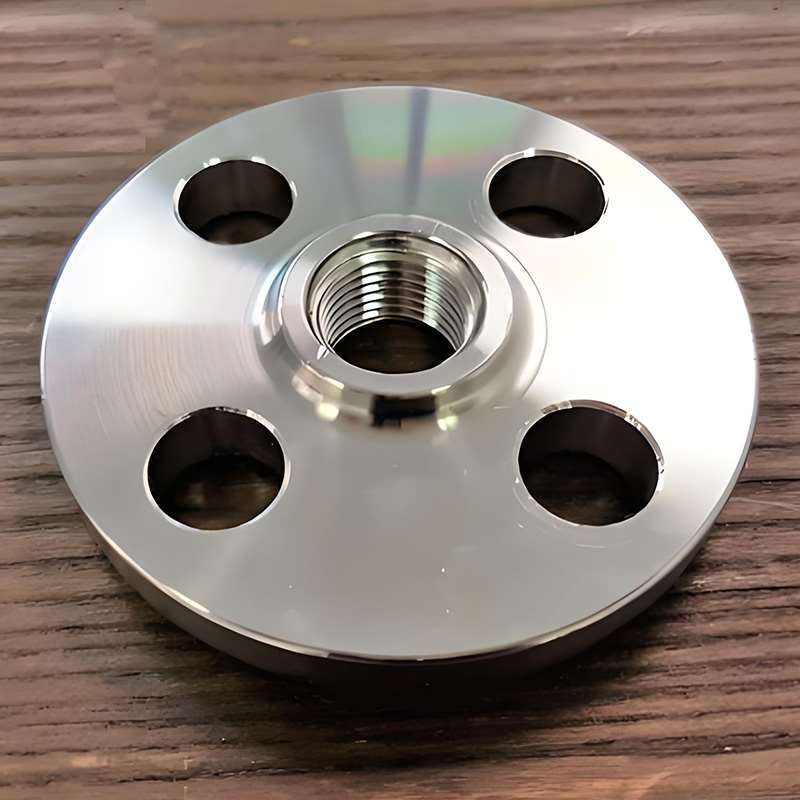
| Type 21 | Threaded Flange | Connected by threads, no welding required, easy installation and removal | Systems unsuitable for welding, temporary pipelines |
| Type 32 | Lapped Weld Neck Flange | Used with loose collars, provides flexibility and corrosion resistance | Stainless steel or anti-corrosion pipelines |
| Type 34 | Loose Flange (with Stub End) | Reusable and flexible for installation | Connection of pipelines with different materials |
Flange Type Specifications:
Types 01–21 are the most common steel flanges in the EN 1092-1 standard;
Type 11 (weld neck flange) is the most widely used and highest-performance type;
Type 05 (blind flange) is used solely for sealing and does not participate in fluid transmission;
Types 02 / 04 / 34 are primarily used in systems requiring corrosion resistance or detachable connections;
Type 13 / Type 21 are commonly used in small-diameter or threaded connection systems.
| Type Code | Chinese Name | Structural Features | Typical Applications |
|---|---|---|---|
| Type A | Flat Face (FF) | The sealing face is flat and smooth, used with non-metallic gaskets; simple and low-cost design | Low-pressure, low-temperature piping systems such as water treatment, ventilation, and building networks |
| Type B1 | Raised Face (RF) | The sealing surface is raised above the flange body, typically used with spiral wound or graphite gaskets; the most common type | Medium to high-pressure systems, petrochemical equipment, steam pipelines |
| Type B2 | Large Radius Raised Face | Similar to Type B1 but with a larger radius transition, suitable for thicker gaskets | Chemical plants, corrosion-resistant systems |
| Type C | Recessed (Female) Face | The sealing surface is recessed and used with a Type D raised face; prevents gasket displacement | High-pressure pipelines, precision sealing systems |
| Type D | Raised (Male) Face | Used with Type C face; provides accurate gasket alignment and reliable sealing | High-pressure steam and oil & gas pipeline connections |
| Type E | Ring Joint Face (RTJ) | Sealing surface contains a metal ring groove and uses a metallic ring gasket; designed for high-pressure and high-temperature service | High-pressure, high-temperature, flammable or explosive media systems |
| Type F | Tongue Face | Has a raised tongue, used with Type G groove face; ensures accurate alignment | Vacuum systems or applications requiring frequent disassembly |
| Type G | Groove Face | Used with Type F tongue face; suitable for soft gasket sealing | Instrumentation piping, precision equipment |
| Type H | O-Ring Face | Uses an O-ring for sealing, providing excellent repeatable sealing performance | Hydraulic systems, gas control systems |
Description
Common sealing face types: Type B1 (RF raised face), accounting for over 70% of industrial flange usage.
Recommended for high-pressure applications: Type E (RTJ ring joint), offering superior sealing performance and suitable for systems exceeding 250 bar.
 WeChat
 Scan wechat
WhatsApp:+86 15383177997
E-mail:wr@insulatedpipeline.com
E-mail:
Address:Development Zone, Cangzhou, Hebei Province, China
技术支持:沧州利畅网络
.jpg)
.jpg)