EMAIL:
wr@insulatedpipeline.com


Published:2025-09-25 | Last Updated: 2026-04-21 Views: 131
.jpg)
(1) Municipal Water Supply Networks
Scenario: Urban water pipes are buried underground long-term, requiring guaranteed water quality safety and stable supply.
Challenge: Conventional steel pipes are prone to rust and scaling, compromising water quality and incurring high maintenance costs.
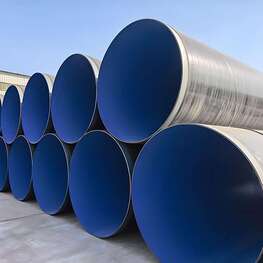
Solution: Coated steel pipes for water supply and drainage feature smooth, corrosion-resistant inner walls that effectively prevent scaling and rust. This ensures water safety and extends pipeline network lifespan.
(2) Industrial Circulating Water Piping
Scenario: Factory circulating water pipes continuously transport cooling water or process water.
Issue: Impurities and microorganisms in water readily cause corrosion and blockages in steel pipes, reducing circulation efficiency.
Solution: Plastic-coated steel pipes feature smooth inner walls that resist impurity adhesion, minimizing corrosion and blockages. This enhances water circulation efficiency and lowers maintenance costs.
(3) Drainage and Sewage Piping
Scenario: Sewage networks and drainage pipes require resistance to acid/alkali and microbial corrosion.
Issue: Ordinary steel pipes corrode easily, resulting in short service life and frequent maintenance disruptions.
Solution: Plastic-coated steel pipes for water supply and drainage offer excellent acid/alkali resistance and corrosion protection, withstanding sewage erosion to extend pipeline lifespan and reduce maintenance frequency.
(4) Underground Burial or Humid Environments
Scenario: Underground pipelines, riverbank or coastal networks exposed to moist soil or high salinity.
Issue: Steel pipes corrode when continuously exposed to damp soil, leading to leaks or ruptures.
Solution: The robust outer coating of plastic-coated steel pipes blocks moisture and chemical corrosion, enhancing the durability and safety of buried pipelines.
(5) Special Water Quality Requirements
Scenario: Drinking water or purified water systems requiring guaranteed water purity.
Issue: Internal rust or scale buildup in steel pipes can compromise water quality and cause secondary contamination.
Solution: The smooth inner surface of plastic-coated steel pipes prevents direct metal-water contact, eliminating rust and contamination to ensure safe and reliable water quality.
.jpg)
| Parameter | Typical Value / Range | Description |
|---|---|---|
| Outer Diameter (OD) | 20 mm – 1200 mm | Customizable per project requirements |
| Wall Thickness (WT) | 2 mm – 25 mm | Selected according to working pressure and diameter |
| Standard Length | 6 m / 12 m | Conventional lengths for transport and construction |
| Material | Carbon steel (Q235B, ASTM A53, ASTM A106) | Meets municipal and industrial pipeline standards |
| Internal Coating Thickness | 150 – 300 μm | FBE, liquid epoxy or other coatings for corrosion protection |
| External Coating Thickness | 250 – 500 μm | PE, PU or FBE for enhanced mechanical protection and corrosion resistance |
| Operating Temperature | -20 ℃ – 80 ℃ | Suitable for common water & drainage pipelines |
| Operating Pressure | ≤ 2.5 MPa | Typical pressure for municipal and industrial circulating-water lines |
| Coating Adhesion | ≥ 1.5 MPa | Pull-off test value ensuring strong coating bond |
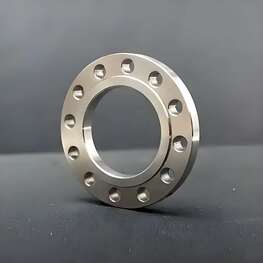
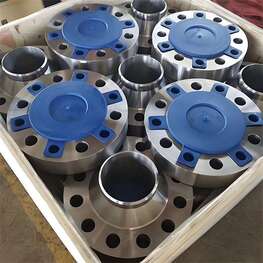
| End Connection | Flanged, socket-weld, threaded | Multiple jointing methods for easy installation |
| Corrosion Resistance | Salt-spray test ≥ 500 h | Guarantees long-term anti-corrosion performance |
| Service Life | ≥ 30 years | Minimizes maintenance costs under normal operating conditions |
| Outside Diameter OD (mm) | Wall Thickness WT (mm) | Theoretical Weight (kg/m) | Allowable Working Pressure PN (MPa) | Coating Type & Thickness (int./ext.) |
|---|---|---|---|---|
| 20 | 2.0 | 1.50 | 2.5 | FBE 150 μm / PE 250 μm |
| 25 | 2.0 | 1.85 | 2.5 | FBE 150 μm / PE 250 μm |
| 32 | 2.0 | 2.30 | 2.5 | FBE 150 μm / PE 250 μm |
| 40 | 2.0 | 2.85 | 2.5 | FBE 150 μm / PE 250 μm |
| 50 | 2.5 | 4.40 | 2.5 | FBE 150–200 μm / PE 300 μm |
| 65 | 2.5 | 5.70 | 2.5 | FBE 150–200 μm / PE 300 μm |
| 80 | 3.0 | 8.00 | 2.5 | FBE 150–200 μm / PE 300 μm |
| 100 | 3.2 | 11.00 | 2.5 | FBE 200 μm / PE 350 μm |
| 125 | 3.5 | 15.20 | 2.5 | FBE 200 μm / PE 350 μm |
| 150 | 4.0 | 21.00 | 2.5 | FBE 200–250 μm / PE 400 μm |
| 200 | 5.0 | 33.00 | 2.5 | FBE 250 μm / PE 400–450 μm |
| 250 | 5.0 | 41.00 | 2.5 | FBE 250 μm / PE 450 μm |
| 300 | 6.0 | 57.00 | 2.5 | FBE 250 μm / PE 450 μm |
| 350 | 6.5 | 70.00 | 2.5 | FBE 250 μm / PE 450 μm |
| 400 | 8.0 | 99.00 | 2.5 | FBE 300 μm / PE 500 μm |
| 450 | 8.5 | 116.00 | 2.5 | FBE 300 μm / PE 500 μm |
| 500 | 9.0 | 136.00 | 2.5 | FBE 300 μm / PE 500 μm |
| 600 | 10.0 | 171.00 | 2.5 | FBE 300–350 μm / PE 500 μm |
| 700 | 10.5 | 200.00 | 2.5 | FBE 350 μm / PE 500 μm |
| 800 | 12.0 | 257.00 | 2.5 | FBE 350 μm / PE 500 μm |
| 900 | 12.0 | 288.00 | 2.5 | FBE 350 μm / PE 500 μm |
| 1000 | 14.0 | 385.00 | 2.5 | FBE 400 μm / PE 500 μm |
| 1200 | 16.0 | 520.00 | 2.5 | FBE 400 μm / PE 500 μm |
Table Notes:
(1) Theoretical Weight: Calculated based on carbon steel material, unit kg/m. May vary slightly depending on specific material.
(2) Allowable Working Pressure PN: Common standards for municipal water supply/drainage and industrial circulating water systems. Adjustable based on actual operating conditions.
(3) Coating Type and Thickness:
FBE: Internal anti-corrosion layer, fusion-bonded epoxy powder, corrosion-resistant
PE / PU: External protective layer, enhances mechanical protection and anti-corrosion performance
Thickness may be adjusted appropriately based on pipe diameter and project requirements
(4) Length: Standard lengths are 6 meters or 12 meters, custom lengths available.
(5) Applications: Municipal water supply and drainage, sewage discharge, industrial circulating water systems, underground buried pipelines, etc.
.jpg)
| Coating Type | Features | Suitable Media | Suitable Environment | Typical Applications / Remarks |
|---|---|---|---|---|
| FBE (Fusion-Bonded Epoxy) | Internal layer, excellent adhesion & chemical resistance, easy to apply | Potable water, domestic water, industrial circulating water, weak acids/alkalis | Buried, indoor networks | First choice for municipal water and industrial recirculation systems; long service life |
| Liquid Epoxy Coating | Brush or spray application, uniform film, good corrosion resistance | Sewage, industrial effluent | Drainage lines, WWTP networks | Protects against weak acid/alkali wastewater; ideal for complex fittings or large-diam. pipe |
| PE (Polyethylene) Outer Coating | Mechanical protection, abrasion & scratch resistant, corrosion barrier | Used together with internal anti-corrosion layer | Buried installation, handling & construction sites | Prevents mechanical damage during transport and backfill; standard burial choice |
| PU (Polyurethane) Outer Coating | High mechanical strength, impact resistant, suited to heavy loads or rough terrain | Used together with internal anti-corrosion layer | Deep burial, heavy equipment traffic, aggressive construction zones | Recommended for projects with severe handling or rocky soil; extends lifetime |
| FBE + PE / PU Dual Layer | Inner FBE for corrosion protection, outer PE/PU for mechanical strength; combines both benefits | Potable water, industrial circulating water, sewage | Buried, damp or highly corrosive soils | Most common premium system for municipal and industrial networks demanding high durability |
Selection Principles:
(1) Medium Priority:
Clean water or domestic water → Internal FBE coating sufficient
Sewage or industrial wastewater → Liquid epoxy or FBE + PE coating
Chemically corrosive media → Dual-layer protection (FBE + PE/PU)
(2) Construction Environment:
Underground burial → External PE or PU protective layer recommended
Indoor piping networks → Internal FBE coating sufficient
(3) Pressure and Service Life Requirements:
Standard municipal pressure ≤2.5 MPa → FBE or FBE + PE
High pressure or long-term service → Optional thick coating or dual-layer application
(4) Pipe Diameter and Application Method:
Large diameters or complex fittings → Liquid epoxy easier to apply
Small diameter straight pipes → FBE powder spraying highly efficient
.jpg)
(1) Construction Phase
Avoid Scratches and Impacts: Although the outer coating of plastic-coated steel pipes provides protection, protective sleeves, soft ropes, or pallets must still be used during transportation, loading/unloading, and hoisting to prevent scratches, impacts, or crushing.
Optimize Pipe Layout: When installing pipe elbows, flanges, and supports, ensure sufficient clearance is maintained to prevent stress concentration that could damage the coating.
Joint Treatment: If the coating is cut or damaged at socket weld or flange connections, promptly repair the area to prevent corrosion from spreading through the joint.
(2) Operational Phase
Water Quality Management: Maintain clean conveyed water media. Avoid prolonged operation with water containing high concentrations of acids, alkalis, or solid particles to reduce coating wear and corrosion risks.
Pressure Control: Do not exceed the pipeline's rated working pressure (PN value) during operation to prevent coating cracking or pipeline rupture due to overpressure.
Temperature Control: Avoid prolonged conveyance of high-temperature media (>80°C) through plastic-coated steel pipes for water supply and drainage. Use insulated pipes or high-temperature resistant pipes as alternatives.
(3) Regular Inspection and Maintenance
Visual Inspection: Conduct regular visual inspections of the pipeline to check for coating peeling, cracking, scratches, or localized corrosion.
Joint Inspection: Focus on connections such as flanges, threads, and welds. Reapply coating or replace seals promptly.
Pipeline Cleaning: Clean pipelines periodically based on water quality and sediment conditions to prevent internal impurities from wearing down the coating.
(4) Environmental and Support Maintenance
Supports and Fixings: Use corrosion-resistant supports or brackets for buried or overhead pipelines to prevent localized stress concentration or compression.
Chemical Corrosion Prevention: Avoid prolonged exposure to strong acids, alkalis, or salt solutions. If unavoidable, opt for thickened FBE/PE/PU coatings or dual-layer protection.
(5) Service Life Extension Recommendations
Prompt Coating Repair: Damaged pipeline coatings must be promptly repaired using the same coating type.
Optimal Design Selection: Select appropriate pipe diameter, wall thickness, and coating type based on conveyed medium, pressure, temperature, and construction environment.
Effective Protection and Marking: Clearly identify plastic-coated steel pipes at construction sites and during operation to prevent damage from misoperation.
 WeChat
 Scan wechat
WhatsApp:+86 15383177997
E-mail:wr@insulatedpipeline.com
E-mail:
Address:Development Zone, Cangzhou, Hebei Province, China
技术支持:沧州利畅网络